

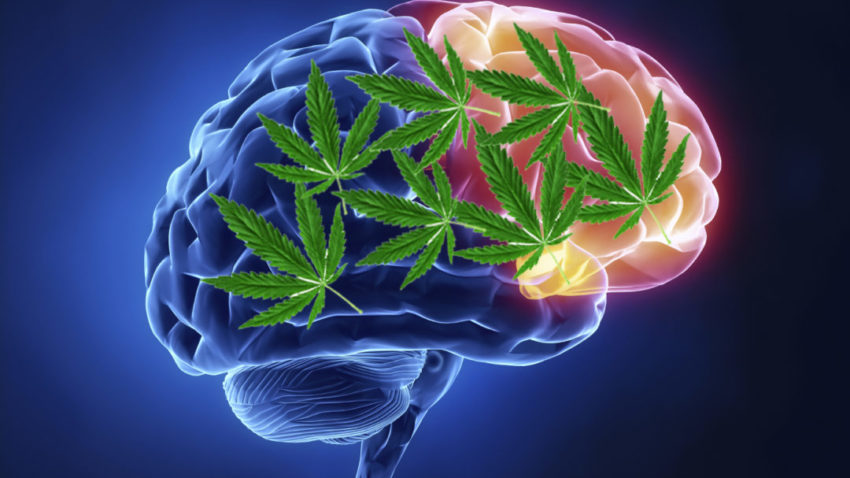
 Due to the fact that epilepsy can really take a toll on one’s ability to function in day-to-day life, it is certainly a useful medicinal supplement for those suffering epilepsy. CBD has also proven to reduce inflammation. This makes it a useful anti-inflammatory but the benefits don’t stop there, as CBD (as far as the most recent research indicates) has the most medicinal benefits of any of the CBD’s. CBD can be anti-ischemic, meaning it reduces the risk of artery blockage CBD is oftentimes brought up in cancer discussions. CBD is anti-proliferative. This means it inhibits cell growth in tumors and cancer cells. It can also treat psoriasis, making it anti-psoriatic as well. CBD can be used to manage psychosis as an anti-psychotic. It can have a tranquilizing effect. It can also suppress muscle spasms.
To qualify for medical marijuana in Florida, a patient must: Be diagnosed by a certified physician, like those at All Natural MD medical marijuana doctors, have a qualifying medical condition, and have permanent or temporary residency in the state of Florida.
Agents that suppress muscle spasms are known as antispasmodics. CBD can also help relieve anxiety, making it a useful anxiolytic. CBD can be used as a bone stimulant, promoting healthy bone growth. It can also be used as an immunosuppressive, which means it reduces function in the immune system. (This would be useful in the case of preventing a body from rejecting an organ from a transplant.) CBD can also be used as a neuroprotective; it protects the nervous system degeneration process.
This is one of the reasons the US government filed a patent on cannabinoids. Finally, CBD can act as an intestinal anti-prokinetic. This means it reduces contractions in the small intestines. The cannabinoid research clearly has a vast array of medicinal purposes, and the future looks bright in further research on this great medicine. A study as recent suggests CBD may be beneficial for those suffering from anxiety, depression, PTSD and many others.
If you are suffering from any medical conditions that could be beneficial with the use of medical marijuana treatment, please contact All Natural MD medical marijuana card doctors to get started. All Natural MD medical marijuana doctors has locations all over the State of Florida including Lakeland, Tampa, Orlando, Sarasota and more.
Next Must Read
Due to the fact that epilepsy can really take a toll on one’s ability to function in day-to-day life, it is certainly a useful medicinal supplement for those suffering epilepsy. CBD has also proven to reduce inflammation. This makes it a useful anti-inflammatory but the benefits don’t stop there, as CBD (as far as the most recent research indicates) has the most medicinal benefits of any of the CBD’s. CBD can be anti-ischemic, meaning it reduces the risk of artery blockage CBD is oftentimes brought up in cancer discussions. CBD is anti-proliferative. This means it inhibits cell growth in tumors and cancer cells. It can also treat psoriasis, making it anti-psoriatic as well. CBD can be used to manage psychosis as an anti-psychotic. It can have a tranquilizing effect. It can also suppress muscle spasms.
To qualify for medical marijuana in Florida, a patient must: Be diagnosed by a certified physician, like those at All Natural MD medical marijuana doctors, have a qualifying medical condition, and have permanent or temporary residency in the state of Florida.
Agents that suppress muscle spasms are known as antispasmodics. CBD can also help relieve anxiety, making it a useful anxiolytic. CBD can be used as a bone stimulant, promoting healthy bone growth. It can also be used as an immunosuppressive, which means it reduces function in the immune system. (This would be useful in the case of preventing a body from rejecting an organ from a transplant.) CBD can also be used as a neuroprotective; it protects the nervous system degeneration process.
This is one of the reasons the US government filed a patent on cannabinoids. Finally, CBD can act as an intestinal anti-prokinetic. This means it reduces contractions in the small intestines. The cannabinoid research clearly has a vast array of medicinal purposes, and the future looks bright in further research on this great medicine. A study as recent suggests CBD may be beneficial for those suffering from anxiety, depression, PTSD and many others.
If you are suffering from any medical conditions that could be beneficial with the use of medical marijuana treatment, please contact All Natural MD medical marijuana card doctors to get started. All Natural MD medical marijuana doctors has locations all over the State of Florida including Lakeland, Tampa, Orlando, Sarasota and more.
Next Must Read
Nearly a million adults in the United States live with multiple sclerosis (MS), a degenerative disease that causes the immune system to damage the nerves in the central nervous system. There is no known cure for this lifelong condition, though some scientists believe medical marijuana can be beneficial in treating some of its symptoms. The symptoms of multiple sclerosis vary with each person. Since this disease affects the cells in the brain and spinal cord, some patients may lose their ability to walk, while others may have trouble moving their limbs. Those living with MS may also face vision problems and loss of balance, among other serious disabilities.
Several scientific studies show that marijuana and its cannabinoids can reduce muscle pain and decrease the symptoms of spasticity in people with MS. However, since the US Drug Enforcement Administration (DEA) lists cannabis as a Schedule I controlled substance, most of the studies and surveys conducted on the potential benefits of medical marijuana have been rather small. Nevertheless, now that cannabis has been legalized in several states, many public and private institutions are researching its medicinal benefits. The National Multiple Sclerosis Society, which supports the use of medical marijuana for people with MS in the states where it is lawful, has also pointed out the need for more research to understand the benefits and risks of cannabis in treating the symptoms of this debilitating disease. Tetrahydrocannabinol (THC) and cannabidiol (CBD) are two of the most studied compounds of cannabis. While scientists have found THC to be effective against nausea, pain, and inflammation, they have also deduced it has psychoactive properties that cause the “high” associated with cannabis. On the other hand, CBD has proven beneficial in treating seizures, anxiety, PTSD, and paranoia. This cannabinoid does not have psychoactive effects and can offset the “high” caused by THC. Trending. When it comes to medical marijuana, the lack of standardization and regulation prevents most doctors from prescribing cannabis products to treat MS symptoms. Whether you smoke or dab, it is not always possible to know the right dosage since the THC levels tend to vary with each batch. Similarly, different people may have different reactions to CBD. You also must keep in mind that cannabinoids may interact with some medications under certain conditions. If you have any of the following medical conditions that will qualify you for a Florida medical marijuana card and are looking for a medical marijuana doctor near your home today, please contact All Natural MD Sarasota today for more information and to get started. (800) 250-6737. Get your medical card in Sarasota Florida today!
Back pain and problems are among patients’ most frequent complaints to their doctors. Nearly 70 million Americans report a recent episode of back pain. Some 16 million adults 10 percent of all adults experience persistent or chronic back pain, and as a result are limited in certain everyday activities. Back pain is the sixth most costly condition in the United States. Health care costs and indirect costs due to back pain are over $10 billion per year. Adults with back pain are more likely to qualify for medical card services than adults without back pain. Many of the indirect costs of the condition are related to missed days of work and disability payments. This Profile uses the term “adults with back pain” to describe adults who experience persistent or chronic back pain that limits their everyday activities.
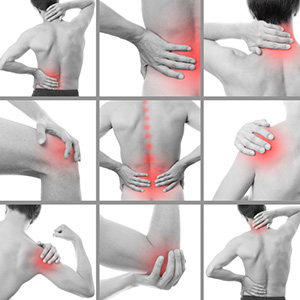
Where do people have chronic pain?
Chronic pain can come in many different forms and appear across your body. Common types of chronic pain include:
- Arthritis, or joint pain.
- Back pain.
- Neck pain.
- Cancer pain near a tumor.
- Headaches, including migraines.
- Testicular pain (orchialgia).
- Lasting pain in scar tissue.
- Muscle pain all over (such as with fibromyalgia).
- Neurogenic pain, from damage to the nerves or other parts of the nervous system.
What causes chronic pain?
Sometimes chronic pain has an obvious cause. You may have a long-lasting illness such as arthritis or cancer that can cause ongoing pain. Injuries and diseases can also cause changes to your body that leave you more sensitive to pain. These changes can stay in place even after you’ve healed from the original injury or disease. Something like a sprain, a broken bone or a brief infection can leave you with chronic pain. Some people also have chronic pain that’s not tied to an injury or physical illness. Healthcare providers call this response psychogenic pain or psychosomatic pain. It’s caused by psychological factors such as stress, anxiety and depression. Many scientists believe this connection comes from low levels of endorphins in the blood. Endorphins are natural chemicals that trigger positive feelings. It’s possible to have several causes of pain overlap. You could have two different diseases, for example. Or you could have something like migraines and psychogenic pain together.
How is chronic pain diagnosed?
Pain is considered to be chronic if it lasts or comes and goes for more than three months. Pain is usually a symptom, so your healthcare provider needs to determine what’s causing your pain, if possible. Pain is subjective only the person experiencing it can identify and describe it so it can be difficult for providers to determine the cause.
If you are suffering from chronic pain and could use the benefits of medical marijuana in Florida, please contact All Natural MD Orlando medical marijuana doctor group in Florida today. We have authorized and licensed medical marijuana doctors on hand to issue you a medical marijuana card approval quickly and efficiently. We have medical marijuana locations in Florida to assist you. Contact us to get started today.
