

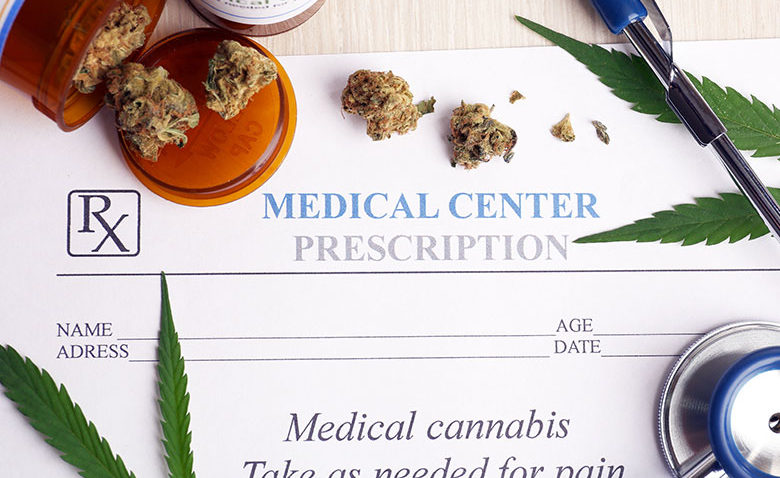
 You can qualify with PTSD, Depression, Anxiety, BiPolar, Chronic Pain and more. It is important that you have been seen by a medical professional for your condition at some point in your past. Your Florida Medical Doctor cannot diagnose your condition, but only evaluate it to determine whether Medical Marijuana is right for you. Once you see the doctor, our cannabis professionals will notarize your paperwork and will have your documentation ready to mail off to the state. Your marijuana license may take a while to be approved by the state. In the meantime, we can recommend dispensaries and caregivers that can take care of all of your Medical Marijuana needs. We only recommend state approved dispensaries that are discreet and professional. Dispensaries and medical professionals all over recommend us as your one stop to finding a medical marijuana doctor location in Florida and Registration Company because of our unparalleled service and care for our patients. Our doctors look forward to helping you achieve the highest grade of health through cannabis therapy. We look forward to you becoming a part of the All Natural MD community! Let us help you take the steps to living a healthy life through the use of Medical Marijuana.
A large group of All Natural MD marijuana cards and doctors, including a former surgeon general and faculty members at some of the nation’s leading medical schools, has formed the first national organization of doctors to call on states and the federal government to legalize and regulate the use of marijuana in the interest of public health. If you have one or more of the state approved conditions and the condition is chronic in nature, and/or is debilitating, call us today to set up an appointment! We can assist you in obtaining your state issued Medical Marijuana Card. Our physicians are DEA certified and state approved to help you qualify for a medical marijuana license in Florida. Once our doctors approve you for medical marijuana, our onsite notary will assist you in completing all state documentation necessary to officially become a Florida medical marijuana patient. We not only provide expert education on becoming an medical marijuana patient, but we also provide direction in finding a dispensary or caregiver that will best suit your needs. Contact our friendly staff today to learn what steps you now need to take to begin your medical marijuana treatment today.
You can qualify with PTSD, Depression, Anxiety, BiPolar, Chronic Pain and more. It is important that you have been seen by a medical professional for your condition at some point in your past. Your Florida Medical Doctor cannot diagnose your condition, but only evaluate it to determine whether Medical Marijuana is right for you. Once you see the doctor, our cannabis professionals will notarize your paperwork and will have your documentation ready to mail off to the state. Your marijuana license may take a while to be approved by the state. In the meantime, we can recommend dispensaries and caregivers that can take care of all of your Medical Marijuana needs. We only recommend state approved dispensaries that are discreet and professional. Dispensaries and medical professionals all over recommend us as your one stop to finding a medical marijuana doctor location in Florida and Registration Company because of our unparalleled service and care for our patients. Our doctors look forward to helping you achieve the highest grade of health through cannabis therapy. We look forward to you becoming a part of the All Natural MD community! Let us help you take the steps to living a healthy life through the use of Medical Marijuana.
A large group of All Natural MD marijuana cards and doctors, including a former surgeon general and faculty members at some of the nation’s leading medical schools, has formed the first national organization of doctors to call on states and the federal government to legalize and regulate the use of marijuana in the interest of public health. If you have one or more of the state approved conditions and the condition is chronic in nature, and/or is debilitating, call us today to set up an appointment! We can assist you in obtaining your state issued Medical Marijuana Card. Our physicians are DEA certified and state approved to help you qualify for a medical marijuana license in Florida. Once our doctors approve you for medical marijuana, our onsite notary will assist you in completing all state documentation necessary to officially become a Florida medical marijuana patient. We not only provide expert education on becoming an medical marijuana patient, but we also provide direction in finding a dispensary or caregiver that will best suit your needs. Contact our friendly staff today to learn what steps you now need to take to begin your medical marijuana treatment today.
 A group is endorsing the legalization of marijuana for adult recreational use, a break from the position of the American Medical Association, the largest organization of doctors in the country. Citing hundreds of thousands of annual marijuana arrests, racial and economic disparities in marijuana enforcement, and the role of prohibition in keeping marijuana prices high and lucrative to violent drug dealers, the physicians say that creating a legal and regulated marijuana market is the best way to ensure public safety, combat the illicit drug trade and roll back the negative consequences of strict enforcement policies on disadvantaged communities.
The emergence of the group comes at a crucial moment in the national debate over marijuana legalization. More than 60 percent of the public now says that it supports marijuana legalization. Support for allowing medical use of marijuana with doctors’ supervision is closer to 90 percent. Over 35 million Americans use marijuana recreationally each year, according to the latest federal statistics. Many national lawmakers have called on federal authorities to revisit policies toward marijuana that have remained essentially unchanged for nearly 50 years in oppositions and researchers generally agree that marijuana use is less harmful to individuals and society than the use of other common drugs, like alcohol and tobacco, about 9 percent of people who begin using as adults become dependent on the drug, and heavy use can be especially harmful to the developing brains of adolescents. If you’re going to make something against the law, the health consequences of that use have to be so bad to make it worth creating criminal consequences. That was never true of marijuana.
Indeed, in 1977, the objected to the overly strict regulation of marijuana, as it was then used as a treatment for a number of medical conditions. The Association was worried that prohibition of marijuana would “deprive the public of the benefits of a drug that on further research may prove to be of substantial value.”
After the passage of the Marijuana Tax Act just wasn’t that well-known among doctors. Many doctors were unaware that the drug essentially outlawed by the Marijuana Tax Act was the same substance they knew as cannabis,” which they used to treat a variety of ailments from corns to poor appetite. In subsequent years, physicians were just as susceptible to lurid media reports about the supposed dangers of marijuana use and the “Reefer Madness” era as anyone else. Like most mainstream medical groups, many are now opposed to the outright legalization of marijuana, calling it a “dangerous drug” and “a public health concern.” But the group’s stance has evolved in recent years. It recently added language to its position statements calling for “the modification of state and federal laws to emphasize public health based strategies,” rather than punitive, incarceration-based measures. The group now encourages research into the drug, and has called on federal authorities to make it easier to do so.
A group is endorsing the legalization of marijuana for adult recreational use, a break from the position of the American Medical Association, the largest organization of doctors in the country. Citing hundreds of thousands of annual marijuana arrests, racial and economic disparities in marijuana enforcement, and the role of prohibition in keeping marijuana prices high and lucrative to violent drug dealers, the physicians say that creating a legal and regulated marijuana market is the best way to ensure public safety, combat the illicit drug trade and roll back the negative consequences of strict enforcement policies on disadvantaged communities.
The emergence of the group comes at a crucial moment in the national debate over marijuana legalization. More than 60 percent of the public now says that it supports marijuana legalization. Support for allowing medical use of marijuana with doctors’ supervision is closer to 90 percent. Over 35 million Americans use marijuana recreationally each year, according to the latest federal statistics. Many national lawmakers have called on federal authorities to revisit policies toward marijuana that have remained essentially unchanged for nearly 50 years in oppositions and researchers generally agree that marijuana use is less harmful to individuals and society than the use of other common drugs, like alcohol and tobacco, about 9 percent of people who begin using as adults become dependent on the drug, and heavy use can be especially harmful to the developing brains of adolescents. If you’re going to make something against the law, the health consequences of that use have to be so bad to make it worth creating criminal consequences. That was never true of marijuana.
Indeed, in 1977, the objected to the overly strict regulation of marijuana, as it was then used as a treatment for a number of medical conditions. The Association was worried that prohibition of marijuana would “deprive the public of the benefits of a drug that on further research may prove to be of substantial value.”
After the passage of the Marijuana Tax Act just wasn’t that well-known among doctors. Many doctors were unaware that the drug essentially outlawed by the Marijuana Tax Act was the same substance they knew as cannabis,” which they used to treat a variety of ailments from corns to poor appetite. In subsequent years, physicians were just as susceptible to lurid media reports about the supposed dangers of marijuana use and the “Reefer Madness” era as anyone else. Like most mainstream medical groups, many are now opposed to the outright legalization of marijuana, calling it a “dangerous drug” and “a public health concern.” But the group’s stance has evolved in recent years. It recently added language to its position statements calling for “the modification of state and federal laws to emphasize public health based strategies,” rather than punitive, incarceration-based measures. The group now encourages research into the drug, and has called on federal authorities to make it easier to do so.
 Doctors often find themselves acting as mediators between patients who want access to marijuana for medical purposes, and a federal bureaucracy that still considers the drug illegal for all purposes.
Florida Medical Marijuana Doctors are put in the awkward position with respect to individuals who ask for a marijuana recommendation, but otherwise would be perfectly happy purchasing the drug in a retail environment,” Nathan said. “We believe that the best way to improve the situation is to enact full legalization with smart regulation. That would more clearly separate medical from personal use.”
Not all medical professionals are happy about relaxing attitudes toward what they see as a dangerous, addictive drug. The notion of doctors advocating for marijuana legalization is “totally idiotic,” who served as the first director of the National Institute on Drug Abuse. “The idea that we cannot manage the health problems related to marijuana because it’s illegal, that doctors are somehow inhibited from dealing with marijuana use and marijuana problems, is completely wrong.”
“The idea that legalizing is going to stop the illegal market is equally stupid,” he added.
Others thinks that the current legal status of marijuana is sufficient to address the risks associated with marijuana use, and that punitive measures for drug sellers and users can be a powerful tool for helping at-risk people get treatment. “The criminal justice system is a wonderful vehicle for getting people into treatment and recovery,” he said.
Other physicians would like to see marijuana use decriminalized, but would not go so far as to make the drug completely legal for adult recreational use. An addiction-medicine physician notes that we already have two legal psychoactive drugs, alcohol and tobacco. “What is the problem for which having a third class of legal drug is the answer?” he questioned.
Still, he points out that there’s a lot of diversity in the medical field. “People are of their time and of their culture and doctors are no different,” he said. “There are physicians who are Republicans, Democrats, Independents — they pretty much they reflect the population. There are all kinds. The fact that there’s a group of physicians now coming out in favor of cannabis legalization as the only effective way to regulate, it is no surprise.”
Much of the discussion around marijuana legalization, among doctors and the general public alike, hinges on different assessments of the same data showing the risks and benefits of changing marijuana laws. Groups like the are concerned that legalization would lead to more widespread use of the drug, which would invariably mean greater prevalence of the negative health consequences associated with its use, like dependency and some mental illnesses that may be exacerbated by the drug’s use.
But groups who favor legalization, point out that negative outcomes arise from the current system of prohibition, too. They say that the presence of a large black market, the stigmatization of individual users, and the potentially life-ruining effects of a marijuana conviction, are steep prices to pay for the nominal reduction in overall use that comes with prohibition. Get Started.
Doctors often find themselves acting as mediators between patients who want access to marijuana for medical purposes, and a federal bureaucracy that still considers the drug illegal for all purposes.
Florida Medical Marijuana Doctors are put in the awkward position with respect to individuals who ask for a marijuana recommendation, but otherwise would be perfectly happy purchasing the drug in a retail environment,” Nathan said. “We believe that the best way to improve the situation is to enact full legalization with smart regulation. That would more clearly separate medical from personal use.”
Not all medical professionals are happy about relaxing attitudes toward what they see as a dangerous, addictive drug. The notion of doctors advocating for marijuana legalization is “totally idiotic,” who served as the first director of the National Institute on Drug Abuse. “The idea that we cannot manage the health problems related to marijuana because it’s illegal, that doctors are somehow inhibited from dealing with marijuana use and marijuana problems, is completely wrong.”
“The idea that legalizing is going to stop the illegal market is equally stupid,” he added.
Others thinks that the current legal status of marijuana is sufficient to address the risks associated with marijuana use, and that punitive measures for drug sellers and users can be a powerful tool for helping at-risk people get treatment. “The criminal justice system is a wonderful vehicle for getting people into treatment and recovery,” he said.
Other physicians would like to see marijuana use decriminalized, but would not go so far as to make the drug completely legal for adult recreational use. An addiction-medicine physician notes that we already have two legal psychoactive drugs, alcohol and tobacco. “What is the problem for which having a third class of legal drug is the answer?” he questioned.
Still, he points out that there’s a lot of diversity in the medical field. “People are of their time and of their culture and doctors are no different,” he said. “There are physicians who are Republicans, Democrats, Independents — they pretty much they reflect the population. There are all kinds. The fact that there’s a group of physicians now coming out in favor of cannabis legalization as the only effective way to regulate, it is no surprise.”
Much of the discussion around marijuana legalization, among doctors and the general public alike, hinges on different assessments of the same data showing the risks and benefits of changing marijuana laws. Groups like the are concerned that legalization would lead to more widespread use of the drug, which would invariably mean greater prevalence of the negative health consequences associated with its use, like dependency and some mental illnesses that may be exacerbated by the drug’s use.
But groups who favor legalization, point out that negative outcomes arise from the current system of prohibition, too. They say that the presence of a large black market, the stigmatization of individual users, and the potentially life-ruining effects of a marijuana conviction, are steep prices to pay for the nominal reduction in overall use that comes with prohibition. Get Started.
What Are The Different Ways To Administer Medical Marijuana?
What is Marijuana?
Marijuana, otherwise known as cannabis comes from the cannabis plant which has many
useful usages. The stalks can be used for paper, clothing, rope, and building materials, the
seeds can be used for food and fuel oil, and the whole plant, stalk, leaves, seeds, and
flowers can be used for medicinal purposes. Once mature, the plant’s leaves and flowers are
covered with trichomes, tiny glands of resinous oil containing cannabinoids and terpenes
that provide physical and psychoactive effects. There are many ways in which cannabis
leaves and flowers can be consumed.

Marijuana in the Medical world
Studies have shown that the use of medical marijuana has gained much more popularity in
the recent years. Medical marijuana can treat a range of different illnesses or symptoms
ranging from cancer effects, chronic pain control to treating insomnia. Although, it is not yet
legal in all states and countries there is a major support in this to be changed. With 11 states
now making medicinal marijuana legal and ongoing commissions for a further 5 states to
legalize it in 2020. Studies show that patients who were previously using opioids have
switched to marijuana with a positive outcome resulting also in a drop in opioid-related
deaths. Many people have started to lose faith in pharmaceutical drugs and want a more
natural way to treat their diseases/illnesses or problems and since cannabis/marijuana is a
plant this makes it a natural resource.
Additional Source: Administering Medical Marijuana Orally or Rectally
Different types of Marijuana
There are many types of cannabinoids and terpenes that are found in the marijuana plant.
– The most common and well-known cannabinoid is THC (delta-9-tetrahydrocannabinol) this
is the element of the plant which has the most significant psychoactive effects. The ratio of
THC to other cannabinoids depends on the strain of the plant you use.
– Cannabidiol (CBD) is the strain used to relieve anxiety, nausea, inflammation, and
convulsions without psychoactive effects. This is the strain that is mostly used in medical
marijuana since it does not give the ‘high’ sensation when used.
– Cannabinol (CBN) has a mild psychoactive effect and is usually used to decrease intraocular
pressure and to treat seizures.
– Cannabichromene (CBC) is mainly used when treating insomnia as it is a strain that
promotes pain relief and acts as a sedative.
– Cannabigerol (CBG) Is also a sedative and contains antimicrobial properties as well as
lowering intraocular pressure (pressure behind the eyes).
– Tetrahydrocannabivarin (THCV) Is still under research however is proving to be useful for
type 2 diabetes and other metabolic disorders.
Effects of Marijuana:
The effects of marijuana differ and there are other elements that contribute to the effect on
an individual. Each person reacts differently to a particular strain of marijuana and should
you find you react negatively to one strain does not mean that you would react negatively
to all strains. It can take some trial and error to find the strain suitable for you. To gain the
effect you desire you should consider the dosage, your experience and history of usage, your nutrition and diet, and also your mindset, mood when using. These factors will determine which effect the marijuana will have. Although, generally the effects are similar for qualifying medical conditions, eliminating pain and nausea control, appetite stimulation, reduced muscle spasms as well as improved sleep. It will depend on which strain you use as to how beneficial the effects are for you or your condition.

Different administrations of marijuana:
Since there are different strains of marijuana it goes without saying that there are also
different administration techniques and the best one for you will be determined by, the
comfort of use, strength desired, and the overall desired effect.
Edibles
For the cannabinoid to be effective it must be heated, you can implement the strain of
marijuana into food or drink sources which you heat before ingesting as this is known as edibles. For example homemade brownies, cookies, or cake with the marijuana as an added ingredient, special
tea brewed with the strain of marijuana present. By using the marijuana in this way, the
effects may take longer to show however they may last longer this is due to the time it takes
for the body to absorb the THC in the liver. Cannabinoids are fat-soluble hydrophobic oils
meaning that they are able to dissolve in oils, butters, and fats however, do not dissolve in
water. Depending on which strain you use and how much you include will depend on how
strong the effects will be from the edible made.
Cannabis Oil
Cannaoil is a cooking oil infused with cannabinoid this can be used within your cooking
routine providing the food you are making does not need to be heated over 280 degrees
Fahrenheit. The oil can be heated in any kind of pan over a low heat and then the cannaoil
can be extracted through a strainer.
Cannabis Butter
Cannabutter can be used in a similar way to that of the cannaoil. By heating the pure strain
of marijuana or cannabis together with some butter allows them to mix together which can
then be used in a cooking method.
Tincture
Tinctures use a mix of pure alcohol to extract the cannabinoid which can then be dropped
into the mouth by small amounts to be absorbed through the mucous membranes located
in the mouth.

Spray
Using the same method of tincture, the spray is combined with pure alcohol which is then
sprayed under the tongue to be absorbed by the mucous membranes.
Cannabis Topicals
These are creams made up of the cannabinoid strain which are applied to the skin. These
treatments are mainly used for external medical concerns. Medically applied cannabis creams have shown to treat allergic reactions, lessen inflammation, post-herpes neuralgia, and even muscle strain. Marijuana reacts with CB1 and CB2 receptors which can be found all over the body including in the skin cells. THC and CBD have both proven to be effective for pain relief and inflammation and by using the marijuana in a cream it has shown to have no psychoactive effects (meaning there is no ‘high’ with the user).
Smoking
The most obvious and well-known use of medical marijuana is via smoking. This is the way in
which the cannabis/marijuana plant is rolled into a smoking paper mixed with tobacco and
then smoked. By administrating the marijuana in this way you are likely to receive a fast
effect as well as getting the ‘high’. All Natural MD Marijuana Doctor.
It is important to remember that medical marijuana is still undergoing research for its
benefits versus negative effects, however, in saying that the negative seems to be very little
thus far. Working out which administration is best for you will more than likely be a trial and
error phase and if you are unsure where to begin you may want to speak to a professional
to get their opinion.
References marijuana study and research:
Marijuana is a trending topic across the country and abroad as research proves that, as believed as early as the 1970s, this plant has astounding health advantages for its users. There is even a secondary cannabinoid called CBD, discovered in marijuana that has great advantages such as THC, but it would not get you higher THC. For people in Florida suffering from many health conditions, the news cannot be better. Marijuana research continues at fast rates and people are finding that it works to treat several of their health complaints, even those it is not still medically approved to treat. There’s a reason why so various people turn to marijuana to treat their health concerns and it can very well be time to take a firsthand glimpse at those reasons to learn if it can advantage your life as it has so several other people. Now there is even more good news for Florida residents who need to use marijuana to treat their health ailments. It is not legal to do use marijuana to treat your health conditions if you hold a marijuana card. Passed in 2017, Amendment two allows patients in Florida with certain debilitating medical situations to buying marijuana to treat their condition. Through the state, patients now have their choice of dispensaries and products infused with THC or CBD to buying to treat dozens of different conditions. For several people, it’s a cannabis flower and concentrates used to treat their health concerns. Edibles are very famous for users. Several others combine the many cannabis products to provide themselves with a good course of treatment. In Florida, if patients are wanting to treat their health problems with marijuana, then firstly, they must get a medical marijuana card for this. This card is not as hard to obtain as some can assume.
Residents 18+ who are legal residents of Florida can apply for a marijuana card for treating their health conditions. To begin the procedure, you must first complete an application with the state. This can take some time to procedure, so be patient once the form is mailed back into the state. An application is available on the state of Florida website. Once the apps are approved, you find a medical doctor who can prescribe marijuana in the state of Florida.
Florida Marijuana Registry list. Once you get a Florida medical marijuana card, complete an appointment. It is the best idea to take with you prior health records and documents to expedite the procedure. Once the appointment is complete, the doctor will offer you with a slip that details the amount and strength of marijuana you can purchase if you qualify. The prescription details the amount of marijuana you can buy per month. Several dispensaries provide marijuana to qualified patients. Once approved for a card, you must present it every time you shop for marijuana at the dispensary. You can be required to present a valid government-issued driver’s license and identification card to gain entry into the dispensary. Prices of marijuana vary from one dispensary to the next. Compare costs, selection, special offers, etc. to decide which dispensary you want to select as your preferred pharmacy. Should you change your mind late down the line, it is possible to change your preferred dispensary location.
Cancer
Cancer for medical marijuana has showed positive results. Breast, Colon, Prostate, Enlarged prostate cancers and more has touched the lives of almost every person living in the United State today. When you find out you’ve cancer, it is an incredible shock to your system. Thankfully, there’re new treatments and ways of managing the disease coming out regularly. If you are struggling with cancer treatment and you know somebody who is, it is probably that you have wondered about taking medical cannabis for cancer to ease your symptoms. If you have cancer, then you’re qualified to get medical marijuana and hence you can get medical marijuana.
Chronic Pain / Arthritis
Research shows marijuana is a safe and efficient way to ease chronic pain and arthritis related pain from many medical conditions. Studies show marijuana for arthritis / chronic pain of both neuropathic or inflammatory origin have discovered marijuana to be efficient treatment. Cannabinoids are involved in the release of endogenous opioids which moderate pain. The pain mediation reactions of marijuana are interrelated to the location of CB1 receptors in our central nervous system and peripheral nerves. CB2 receptors are active in both acute and chronic pain, particularly that of inflammatory origin. Some studies suggested that marijuana is more effective than codeine in controlling pain as well the side effects of marijuana versus narcotic pain relievers are a more than safe choice for controlling chronic pain.
Anxiety / Bipolar
Scientists now understand that a cannabinoid molecule called cannabidiol, or CBD, is responsible for several of the anxiety-relieving impacts and showed the marijuana for anxiety is a safe bet. CBD, such as the more well-known cannabinoid THC, is one of over 100 such molecules discovered in the marijuana plant. CBD has been shown to act on natural receptors that are found in our nervous system called CB1 receptors. Marijuana can decrease anxiety because of its effect on the cannabinoid receptors compensating for the reduction in the production of natural endocannabinoids, particularly in the amygdala which is the part of the brain that is involved in regulating anxiety and the fight and flight response. A study showed for the first time how nerve cells in this part of the brain make and release their natural endocannabinoids. The endocannabinoid natural system controls anxiety and the response to stress by diminishing signals in the brain. Marijuana for Bipolar has showed very positive results.
Depression
Depression is a medical illness that might lead to a variety of emotional and physical problems. It’s a chronic condition that often needs long-term treatment. Marijuana for Depression and many say it can be treated in a variety of ways, most commonly with psychological counseling and prescription drugs. Unfortunately, antidepressant medications are associated with a wide variety of serious side impacts that make them unacceptable to several patients. These side effects range from blurred vision and constipation to fatigue and impaired thinking to headaches and sexual issues to liver failure and suicide. As a result of their frustration with these pharmaceutical drug side effects, several patients seek out a safer, more natural alternative like medical marijuana.
Crohn’s Disease
There’s a growing awareness about alternative treatments for chronic diseases. Several patients are searching for natural remedies as a means of supplementing their current conventional treatments. Others are choice for herbal solutions because they are not responding to their prescription medications and they are experiencing intense side effects from them. This seems to be especially concerning among Crohn’s disease patients. Several sufferers are pursuing medical marijuana for Crohn’s disease either as a primary and complementary treatment to this chronic and debilitating condition. Crohn’s Disease University of Nottingham researchers discovered in 2010 that chemicals in marijuana, including THC and cannabidiol, interact with cells in the body that play an essential role in gut function and immune responses. The study was published in the Journal of Pharmacology or Experimental Therapeutics. THC-such as compounds made by the body increase the permeability of the intestines, allowing bacteria in. The marijuana plant-cannabinoids will block body-cannabinoids, hence preventing \ permeability and making the intestinal cells bond tight. The researchers believe that a genetic susceptibility coupled with other triggers like diet, stress, and bacterial imbalance, leads to a defective immune response. Crohn’s disease, one of many inflammatory bowel diseases, achieved complete remission in nearly half the subjects of one study that were exposed to smoking medical marijuana regularly. The discovery of a new receptor, GPR-55 has been shown for being over-expressed in those suffering from IBS. Cannabinoids from marijuana tend to block these receptors. THC-rich cannabis produced important clinical, steroid-free advantages to patients with active Crohn’s disease, without side effects, compared with placebo.
Multiple sclerosis
Multiple sclerosis is a debilitating and serious disorder of the central nervous system and the most common debilitating neurologic disease of young people. National Multiple Sclerosis Society estimates suggest more than 2.3 million people worldwide suffer from the disease, with 200 new cases diagnosed in the U.S. every week. Though physicians have a choice to slow the progression of MS, there’s no cure. For this reason, several people suffering from MS seek out alternative treatments to slow the progression and relieve the symptoms. Medical marijuana for MS shows promise in combating the symptoms of the disease. Medical marijuana helps decrease the frequency and severity of muscle spasms and ease stiffness. Patients experience further freedom of movement, calming of the often urge to urinate, and good sleep. Medical cannabis acts as an analgesic, helping to relieve pain and inflammation. The American Academy of Neurology admits marijuana’s potential for treating MS, publicly. Evidence revealed that oral cannabis extract diminishes patients’ symptoms of spasticity. It reduces the pain by spasticity. The Society supports advancing research to better understand the advantages and potential risks of marijuana and its derivatives as a treatment for MS.
Glaucoma
From 1970 onward, studies are showing that medical marijuana is helping more and more patients manage the symptoms of glaucoma. Glaucoma patients can turn to medical marijuana to aid manage symptoms ranging from nausea that stems from glaucoma to the intraocular pressure that can-do permanent damage to the eyes.
Glaucoma Symptoms Treated by Medical Marijuana
Cannabis can control IOP and is neuroprotective. It has painkilling and anti-inflammatory properties that can go a long way toward relieving your symptoms. Few strains of medical pot work against nausea and vomiting associated with a glaucoma attack. Medical pot is a good alternative if you’ve tried conventional glaucoma treatments and feel you need something gentler, still effective at reducing your eye pressure. You are more probably to find relief from everyday symptoms without provoking any unwanted effects in the procedure, too.
PTSD
Post-Traumatic Stress Disorder (PTSD), is a worry disorder that can develop after exposure to a terrifying event in which grave physical and emotional harm happened or was threatened. Marijuana for PTSD is said to be helpful in the sense it relieves dreams and night terrors. Traumatic events that can trigger PTSD include violent personal assaults, natural and human-caused disasters, accidents, and military combat. Individuals with PTSD can have persistent frightening thoughts or memories, experience sleep problems, feel numb or detached, or be simply distracted. Researchers discovered that people with PTSD had low levels of anandamide, an endogenous (naturally happening) cannabinoid compound, compared to those who did not show signs of PTSD. Endogenous anandamide triggers the same receptors that are activated by THC and other components of the marijuana, therefore providing an efficient and safe treatment for PTSD. Evidence suggests that medical marijuana can be a breakthrough treatment for several of the symptoms associated with PTSD. PTSD is qualified to get medical marijuana.
HIV/AIDS
If you’re not sure where to turn after being diagnosed with HIV and AIDS or are wandering around your treatment choices, we can aid. Your symptoms can include weight loss, loss of appetite, as well as peripheral neuropathy. The side impacts of the medications can include nausea, vomiting, anxiety, and trouble sleeping, and they lead several patients to research the effectiveness of medical marijuana for HIV or AIDS. Understanding how medical cannabis for HIV or AIDS works will help you determine if it is a suitable treatment option for you or a loved one. According to the World Health Organization (WHO), over 500,000 Americans have died from HIV or AIDS, and over one million United States citizens are living with the disease. It is a life-threatening situation that is the commonly cited reasons cannabis patients acquire medical marijuana. Every medical state includes HIV or AIDS as a qualifying medical condition for their marijuana program.
Epilepsy
Medical marijuana for epilepsy has shown promise as a safe, efficient treatment that does not produce the frequently severe side impacts of traditional medications. Knowing the disorder and how medical cannabis works for epilepsy helps to find if it is an appropriate treatment choice. If you’ve Epilepsy then you’re qualified to get medical marijuana.
Why Marijuana Is Effective in Treating Epilepsy
Medical marijuana is an efficient alternative for a laundry list of ailments and situations, and epilepsy is one of those diseases that are highly responsive to weed. Many patients suffering from epilepsy and other seizure disorders have discovered good relief from medical marijuana, either taken on its own or in conjunction with other epilepsy medications. Few epileptics who cannot tolerate other anti-seizure medications can use marijuana to successfully control their seizures.