

Medical Marijuana Information For Doctors and Card Holders in Tampa Florida
The State of Florida including Tampa has legalized medical marijuana. The American public largely supports the legalization of medical marijuana. At large percentage of the public believes the drug should be legal for medical uses, and recreational pot usage is less controversial than ever, with at least 60 plus percent of Americans in support. Even though some medical benefits of smoking pot may be overstated by doctors and advocates of marijuana legalization, recent research has demonstrated that there are legitimate medical uses for marijuana and strong reasons to continue studying the drug’s medicinal uses.
Even the NIH’s National Institute on Drug Abuse lists medical uses for cannabis. There are at least two active chemicals in marijuana that researchers think have medicinal applications. Those are cannabidiol (CBD) which seems to impact the brain without a high— and tetrahydrocannabinol (THC) which has pain relieving properties and is largely responsible for the high. But scientists say that limitations on marijuana research mean we still have big questions about its medicinal properties. In addition to CBD and THC, there are another 400 or so chemical compounds, more than 60 of which are cannabinoids. Many of these could have medical uses. But without more research, we won’t know how to best make use of those compounds. More research would also shed light on the risks of marijuana. Even if there are legitimate uses for medicinal marijuana, that doesn’t mean all use is harmless. Some research indicates that chronic, heavy users may have impaired memory, learning, and processing speed, especially if they started regularly using marijuana before age 16 or 17. A recent report by the National Academies of Sciences, Engineering, and Medicine said there was definitive evidence that cannabis or cannabinoids (which are found in the marijuana plant) can be an effective treatment for chronic pain. The report said that is “by far the most common” reason people request medical marijuana. For some of the following medical benefits, there’s good evidence. For others, there’s reason to continue conducting research. The opioid epidemic that is destrying our country. Over 33,000 Americans died from an opioid overdose in 2015.
That same report said there’s equally strong evidence provided by Marijuana Doctors in Florida can help with muscle spasms related to multiple sclerosis. Other types of muscle spasms respond to marijuana as well. People use medical marijuana to treat diaphragm spasms that are not treatable by other, prescribed medications. There’s a fair amount of evidence that marijuana does no harm to the lungs, unless you also smoke tobacco. One study published in Journal of the American Medical Association found that not only does marijuana not impair lung function, it may even increase lung capacity. Researchers looking for risk factors of heart disease tested the lung function of 5,115 young adults over the course of 20 years. All Natural Medical Solutions say Tobacco smokers lost lung function over time, but pot users actually showed an increase in lung capacity. It’s possible that the increased lung capacity may be due to taking a deep breaths while inhaling the drug and not from a therapeutic chemical in the drug. The smokers in that study only toked up a few times a month, but a more recent survey of people who smoked pot daily for up to 20 years found no evidence that smoking pot harmed their lungs, either. The National Academies report said there are good studies showing marijuana users are not more likely to have cancers associated with smoking. One of the most common reasons that states allow medical marijuana use is to treat and prevent the eye disease glaucoma, which increases pressure in the eyeball, damaging the optic nerve and causing loss of vision. Marijuana decreases the pressure inside the eye, according to the National Eye Institute: “Studies in the early 1970s showed that marijuana, when smoked, lowered intraocular pressure (IOP) in people with normal pressure and those with glaucoma.”
  For now, the medical consensus is that doctors only lowers IOP for a few hours, meaning there’s not good evidence for it as a long term treatment right now. Researchers hope that perhaps a marijuana-based compound could be developed that lasts longer. Some studies have shown that cannabidiol (CBD), another major marijuana compound, seems to help people with treatment-resistant epilepsy. A number of individuals have reported that marijuana is the only thing that helps control their or their children’s seizures. However, there haven’t been many gold-standard, double-blind studies on the topic, so researchers say more data is needed before we know how effective marijuana is.
During the research for his documentary “Weed,” Sanjay Gupta interviewed the Figi family, who treated their 5-year-old daughter using a medical marijuana strain high in cannabidiol and low in THC. The Figi family’s daughter, Charlotte, has Dravet Syndrome, which causes seizures and severe developmental delays. According to the film, the drug decreased her seizures from 300 a week to just one every seven days. Forty other children in the state were using the same strain of marijuana to treat their seizures when the film was made and it seemed to be working. The doctors who recommended this treatment including some marijuana doctors in Tampa said the cannabidiol in the plant interacts with brain cells to quiet the excessive activity in the brain that causes these seizures. Gupta notes, however, that a hospital that specializes in the disorder, the American Academy of Pediatrics, and the Drug Enforcement agency don’t endorse marijuana as a treatment for Dravet or other seizure disorders. CBD may help prevent cancer from spreading, researchers in California said in mid 2000’s. Other very preliminary studies on aggressive brain tumors in mice or cell cultures have shown that THC and CBD can slow or shrink tumors at the right dose, which is a strong reason to do more research. One 2014 study found that marijuana can significantly slow the growth of the type of brain tumor associated with 80% of malignant brain cancer in people. Still, these findings in cell cultures and animals don’t necessarily mean the effect will translate to people — far more investigation is needed. Researchers know that many cannabis users consume marijuana to relax, but also that many people say smoking too much can cause anxiety. So scientists conducted a study to find the “hybrid” zone: the right amount of marijuana to calm people.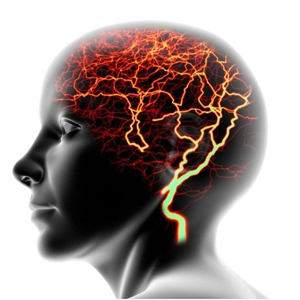 A few puffs was enough to help study participants relax, but a few puffs more started to amp up anxiety. However, people may react differently in different situations. Marijuana may be able to slow the progression of Alzheimer’s disease. The 2006 study, published in the journal Molecular Pharmaceutics, found that THC (the active chemical in marijuana) slows the formation of amyloid plaques by blocking the enzyme in the brain that makes them. These plaques kill brain cells and are associated with Alzheimer’s. A synthetic mixture of CBD and THC seems to preserve memory in a mouse model of Alzheimer’s disease. Another study suggested that a THC-based prescription drug called dronabinol was able to reduce behavioral disturbances in dementia patients. All these studies are in very early stages, though, so more research is needed. Marijuana may ease painful symptoms of multiple sclerosis, according to a study published in the Canadian Medical Association Journal. Jody Corey-Bloom studied 30 multiple sclerosis patients with painful contractions in their muscles. These patients didn’t respond to other treatments, but after smoking marijuana for a few days, they reported that they were in less pain. The THC in marijuana seems to bind to receptors in the nerves and muscles to relieve pain says tampa marijuana doctors. Treatment for hepatitis C infection is harsh: negative side effects include fatigue, nausea, muscle aches, loss of appetite, and depression. Those side effects can last for months, and lead many people to stop their treatment course early. A study in the European Journal of Gastroenterology and Hepatology found that 86% of patients using marijuana successfully completed their Hep C therapy. Only 29% of non-smokers completed their treatment, possibly because the marijuana helps lessen the treatment’s side effects. Marijuana also seems to improve the treatment’s effectiveness: 54% of hep C patients smoking marijuana got their viral levels low and kept them low, in comparison to only 8% of nonsmokers. Patients with inflammatory bowel diseases like Crohn’s disease and ulcerative colitis could benefit from marijuana use, studies suggest. University of Nottingham researchers found in 2010 that chemicals in marijuana, including THC and cannabidiol, interact with cells in the body that play an important role in gut function and immune responses. The study was published in the Journal of Pharmacology and Experimental Therapeutics. The body makes THC-like compounds that increase the permeability of the intestines, allowing bacteria in. But the cannabinoids in marijuana block these compounds, making the intestinal cells bond together tighter and become less permeable. A study published in the American Journal Of Medicine suggested that pot smokers are skinnier than the average person and have healthier metabolism and reaction to sugars, even though they do end up eating more calories.
  The study analyzed data from more than 4,500 adult Americans — 579 of whom were current marijuana smokers, meaning they had smoked in the last month. About 2,000 people had used marijuana in the past, while another 2,000 had never used the drug. The researchers studied how the participants’ bodies responded to eating sugars. They measured blood-sugar levels and the hormone insulin after participants hadn’t eaten in nine hours, and after they’d eaten sugar. Not only were pot users thinner, their bodies also had a healthier response to sugar. Of course, the study couldn’t determine whether the marijuana users were like this to begin with or if these characteristics were somehow related to their smoking. Marijuana is safer than alcohol. That’s not to say it’s risk-free, but cannabis is much less addictive than alcohol and doesn’t cause nearly as much physical damage. Disorders like alcoholism involve disruptions in the endocannabinoid system. Because of that, some people think cannabis might help patients struggling with those disorders. Research published in the HRJ found that some people use marijuana as a less harmful substitute for alcohol, prescription drugs, and other illegal drugs. Some of the most common reasons patients make that substitution are that marijuana has less negative side effects and is less likely to cause withdrawal problems. Some people do become psychologically dependent on marijuana, and it is not a cure for substance abuse problems. But from a harm-reduction standpoint, it can help. Still, it’s worth noting that combining marijuana and alcohol can be dangerous, and some researchers are concerned that this scenario is more likely than one in which users substitute a toke for a drink.
All Natural Health – Marijuana Doctors – Medical Marijuana Clinic in the Tampa Greater Carrollwood, Florida Area – 14502 N Dale Mabry Hwy Suite 200, Tampa, FL 33618
Hours: Monday – Friday 9:00am – 7:00om and Saturday 11:00am – 4:00pm / Closed Sunday
Phone: (800) 250-6737

Here is the Information Gathered About Medical Marijuana in Florida and Other States
After November 8, 20% of Americans now live in states that have voted to allow recreational marijuana use. Florida, Massachusetts, Nevada, and California have now joined Colorado, Washington, Oregon, Alaska, and the District of Columbia in voting for initiatives that make it legal for adults to consume cannabis authorized by a licensed marijuana doctor. Votes are still being counted, but it looks like Maine will most likely join that group. And several states joined the 25 that already allow for medical use of marijuana — the most notable addition being Florida, with a broad medical marijuana law that will allow doctors to recommend cannabis for a wide variety of conditions. Critics of legalization claim that legalization is bad for public health. “When states legalize recreational marijuana, fatalities increase and the lives of children and teenagers are put at stake, president and CEO of Spectrum Health Systems, a substance abuse and mental health treatment provider, recently wrote in an opinion piece for Stat News. But the data on how both recreational and medical legalization of marijuana tells a different story. It’s still early — marijuana hasn’t been legal for long, even in these states — but so far, legalization hasn’t had a negative impact on public health, according to a report recently published by the Drug Policy Alliance (DPA). That report and other recent studies help show how marijuana legalization for medical or recreational purposes in these states has changed things. In his opinion piece, rep says that Colorado youth use marijuana at higher rates than any other kids in the country. But as other notes at The Washington Post, experts say that trend existed before legalization, too. A 2015 article in the New England Journal of Medicine states that legalizing medical marijuana in Colorado doesn’t seem to have increased the prevalence of youth usage. While the percentage of kids who described marijuana as “highly risky” decreased after legalization, the percentage of students who reported ever trying decreased slightly as well. There’s some debate about the effect that cannabis legalization has had on traffic deaths. Rep says that data from Washington and Colorado shows that an increased percentage of the people involved in traffic fatalities have had marijuana in their systems since legalization. However, traffic death rates since legalization have not increased in Colorado or Washington and are lower than the national average, according to National Highway Transportation Safety Administration data analyzed in the DPA report. At the same time, DUI rates seem to have decreased since legalization, potentially an overall benefit, since the risks of driving under the influence of alcohol are much more obvious than the risks of driving under the influence of cannabis (people who combine the substances perform the worst on driving tests, however). The DPA report says that more people may test positive for cannabis now since officials are now more likely to test for it in the first place. Also, since people can test positive for cannabis long after they’ve stopped feeling the effects, the report says the “data only illuminate that tested drivers consumed hours, days, or weeks prior to the test” — not that cannabis was involved. As Stat News pointed out in another story, there are several studies that show that states that allow medical marijuana have fewer opioid deaths. This effect seems to stack over time, with states who pass these laws seeing a “20 percent lower rate of opioid deaths in the laws’ first year, 24 percent in the third, and 33 percent in the sixth.” If people are substituting marijuana for opioids for medical purposes, that seems to have a strong positive effect say a Doctor that services a high volume marijuana clinic in Florida. One says that doctors at Denver’s Children’s Hospital have reported treating an increased number of children who have accidentally ingested marijuana edibles since legalization. The overall numbers are small — in the JP study documenting these cases, doctors say that the rate of these visits has gone from 1.2 per 100,000 population 2 years prior to legalization to 2.3 per 100,000 population 2 years after legalization. As one has pointed out in the Post previously, parents are far more likely to call poison control centers because of kids ingesting diaper cream, toothpaste, tobacco, or crayons. Adults tourists who have overdone it have also increased the number of marijuana-related ER visits slightly. If you’ve ever seen someone who has been surprised by the strength of a marijuana edible, you know these moments aren’t fun, but luckily, people recover from these events and no one has ever died from a marijuana overdose as agreed by a Tampa marijuana doctor. The DPA report notes that “[b]y no longer arresting and prosecuting possession and other low-level marijuana offenses, states are saving hundreds of millions of dollars,” based on the fact that Washington spent $200 million enforcing marijuana laws between 2000 and 2010. Arrest rates in these states for marijuana offenses have plummeted (you can still be arrested for certain offenses), though the report notes that people of color are still twice as likely to be arrested despite using marijuana at similar rates to white people. Financially, the DPA report says taxing and selling marijuana in Colorado and Washington has been “overwhelmingly successful in generating revenue,” with revenues exceeding projections in both states. Colorado brought in $129 million in the second year of legalization and Washington $220 million — significant amounts of money, though as he notes, still only a tiny fraction of the overall state budgets. There are still plenty of questions about how legalized marijuana will affect states in the future. Some people have expressed concerns that powerful THC-loaded varieties available today could potentially have more of an impact than we know, especially if used by young people with developing brains. On the other hand, if people are using marijuana instead of more dangerous substances like alcohol, there could be some benefit to public health there, though so far, it’s hard to say whether legalization makes people drink more or less. Now, we’ll be able to see the effects in several additional states. Hopefully, that will encourage study into marijuana’s effects, something that scientists say is still incredibly difficult to research because of federal regulations. In the meantime, the DPA report argues that the lessons from states like Colorado and Washington indicate that the public health effects are “so far, so good.”