

In 2016, Florida achieved a majority vote of 71.6% for Amendment 2, allowing more medical conditions to qualify for medical marijuana use. As of now, these medical conditions below are explicitly defined as qualifying conditions. However, patients should not self-medicate on marijuana alone.
Cancer
While the study of marijuana use on cancer is still in its early stages, marijuana doctors have found that the substance can help in reducing pain caused by damaged nerves, vomiting and nausea caused by chemotherapy, and potentially slow growth or even cause death in certain cancer cell types.Epilepsy
The effects of marijuana on epilepsy have been studied for a number of years. Cannabidiol, found in marijuana, is believed to help control seizures. Recently, marijuana doctors discovered that cannabidiol was effective in treating certain groups of people with epilepsy for whom traditional therapies were ineffective.Glaucoma
This condition is typically caused by high eye pressure. Traditional treatments for glaucoma include taking daily eye drops that help to lower eye pressure. An alternative treatment for people that cannot tolerate eye drops is to take marijuana because it can also lower eye pressure, although only for 3-4 hours at a time.Human Immunodeficiency Virus (HIV) / Acquired Immunodeficiency Syndrome (AIDS)
Marijuana doctors use the substance to treat symptoms of HIV/AIDS, including pain, nausea, vomiting and appetite loss. Patients can also use marijuana to restore weight and maintain essential nutrients. Additionally, marijuana alleviates neuropathic pain caused by HIV/AIDS treatments.Post-traumatic Stress Disorder (PTSD)
People suffering from PTSD have an endocannabinoid deficiency, which can be potentially be countered with cannabinoids. Marijuana doctors use cannabinoids in marijuana to help enhance traditional therapies for PTSD, because cannabinoids decrease fear expression and disrupt the strengthening of fears in long-term memories.Amyotrophic Lateral Sclerosis (ALS)
Marijuana doctors use the substance to slow the progression of ALS as its neuroprotective ability protects the motor neurons that ALS attacks. It also has an antioxidant property which reduces the oxidative stress on cells that contributes to cell death. Additionally, marijuana contains tetrahydrocannabinol which can counter neurodegeneration.Crohn’s Disease
Studies of the effects of marijuana on Crohn’s Disease are few and not fully understood. However, marijuana doctors believe that patients can use cannabinoid therapies to treat Crohn’s Disease as cannabinoids prevent the immune system from releasing inflammatory proteins and instead activate proteins to combat inflammation.Parkinson’s Disease
Marijuana can help to relax muscles, which can greatly improve the quality of life for people suffering from Parkinson’s Disease. They can potentially experience fewer tremors, get pain relief, sleep better and move with greater ease after taking marijuana. Additionally, standard treatments for Parkinson’s Disease usually include other risk factors. Some patients may prefer the side effects of marijuana over the risks of traditional medications.Multiple Sclerosis
Multiple sclerosis causes stiffness and muscle spasms, which marijuana can help to alleviate. Marijuana doctors also believe that cannabinoids may ease sleep problems in people with multiple sclerosis.Other Debilitating Conditions
A person can still have access to medical marijuana even if their condition is not explicitly listed. The Florida law includes an “all other debilitating…” category, which enables a person to be qualified for medical marijuana use following their doctor’s discretion if their condition is comparable to those stated. www.FloridasMedicalMarijuana.com.Anxiety is a state of living in extreme fear to the extent that it begins to impair patients physically and mentally.
From our definition, we can understand that anxiety affects our everyday lives. For that reason, they put us in a great position in obtaining a medical marijuana card in Florida.
Florida and like most other states that have legalized medical marijuana for use in medical treatments, requires the use of cards after running a diagnosis to buy the product.
If patients can prove that anxiety is affecting their daily lives, they can as well apply and receive a medical marijuana card.
Does medical marijuana work for anxiety?
Anxiety can affect our relationships, task, activities, and job performance. For that reason, we should take it seriously.
Marijuana was used 400 years ago in India for the treatment of illnesses because it contains certain chemical compounds.
Various studies and citations have shown how specific compounds found in marijuana help in the treatments of depression, melancholy, and some other related illnesses. Anxiety is not far from every one of them.
Cannabidiol and Tetherhydrocannibal are some of the compounds found in marijuana that can be used to treat anxiety.
Uses of marijuana for anxiety
Medical marijuana is usually present for use in pain management cases as well as depression. That gives it off as an ideal drug for anxiety because of those who suffer from one form of depression, experience anxiety.
They are also used to curb stress. Some form of anxiety can be stress-induced as well as genetic and environmental.
People with PTSD also fall into the category of anxiety disorder because of their past experiences. Medical marijuana has been used to manage pain, why not anxiety that comes from the trauma?
Furthermore, the use of cannabis has been prescribed mostly for mental conditions, of which anxiety is one of them.
What do you need to get the card?
You will have to provide medical records and lab results from your treatment of anxiety. Most of the 2300 doctors trained in Florida require that during an examination.
Be prepared for a check-up as well, since it might not be a short process.
You will need to apply for the card after the examination and get a response in weeks or so.
There are fees to be paid before consulting the doctor and applying for the card, so have that at the back of your mind.
The card can also take two weeks to come before you start buying at the dispensary.
You will need to sign other forms like the consent form and have a proper ID if you are a resident. All Natural MD Marijuana Doctors.
States around the country — more than 20 in total — have legalized medical marijuana.
Experts have been changing their minds too — recently, many medical experts have reversed their opinion on medical marijuana law in surround areas.
While recreational pot usage is controversial, many people agree with this new stance, and believe that the drug should be legal for medical uses.
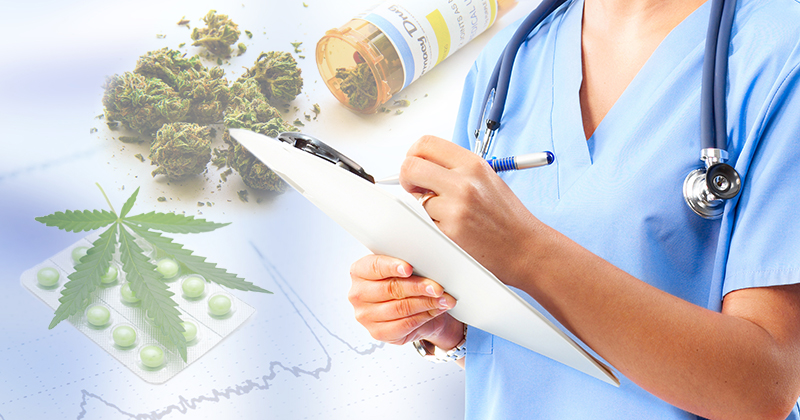
And even though the benefits of smoking pot may be overstated by advocates of marijuana legalization, new laws will help researchers study the drug’s medicinal uses and better understand how it impacts the body.
Currently only 6% of studies on Medical Marijuanas analyze its medicinal properties.
Keep in mind, though, that there are negative effects of smoking too much pot or using it for non-medicinal purposes. When overused or abused, pot can lead to dependency and mess with your memory and emotions.
There are at least two active chemicals in marijuana that researchers think have medicinal applications. Those are cannabidiol (CBD) — which seems to impact the brain without a high— and tetrahydrocannabinol (THC) — which has pain relieving (and other) properties.
Also keep in mind that some of these health benefits can potentially be gained by taking THC pills like Dronabinol, a synthetic form of THC, which in some ways might be more effective than smoked marijuana.
It can be used to treat Glaucoma
Marijuana decreases the pressure inside the eye, according to the National Eye Institute: “Studies in the early 1970s showed that marijuana, when smoked, lowered intraocular pressure (IOP) in people with normal pressure and those with glaucoma.”
These effects of the drug may slow the progression of the disease, preventing blindness.
According to content published on many medical marijuana doctors websites, marijuana does not impair lung function and can even increase lung capacity.
Researchers looking for risk factors of heart disease tested the lung function of many young adults over the course of 20 years. Tobacco smokers lost lung function over time, but pot users actually showed an increase in lung capacity.
It’s possible that the increased lung capacity maybe due to taking a deep breaths while inhaling the drug and not from a therapeutic chemical in the drug.
It can help control epileptic seizures
Marijuana use can prevent epileptic seizures, a study showed.
Patient given marijuana extract and synthetic marijuana to epileptic rats. The drugs rid the rats of the seizures for about 10 hours. Cannabinoids like the active ingredients in marijuana, tetrahydrocannabinol (also known as THC), control seizures by binding to the brain cells responsible for controlling excitability and regulating relaxation.
After November 8, 20% of Americans now live in states that have voted to allow recreational marijuana use.
Florida, Massachusetts, Nevada, and California have now joined Colorado, Washington, Oregon, Alaska, and the District of Columbia in voting for initiatives that make it legal for adults to consume cannabis authorized by marijuana doctors. Votes are still being counted, but it looks like Maine will most likely join that group. And several states joined the 25 that already allow for medical use of marijuana — the most notable addition being Florida, with a broad medical marijuana law that will allow doctors to recommend cannabis for a wide variety of conditions.
Critics of legalization claim that legalization is bad for public health. “When states legalize recreational marijuana, fatalities increase and the lives of children and teenagers are put at stake, president and CEO of Spectrum Health Systems, a substance abuse and mental health treatment provider, recently wrote in an opinion piece for Stat News.
But the data on how both recreational and medical legalization of marijuana tells a different story.
It’s still early — marijuana hasn’t been legal for long, even in these states — but so far, legalization hasn’t had a negative impact on public health, according to a report recently published by the Drug Policy Alliance (DPA). That report and other recent studies help show how marijuana legalization for medical or recreational purposes in these states has changed things.
Nationally, the number of students who used marijuana in the past 30 days leveled out in 2010 after rising for several years, according to the DPA report and one expert marijuana doctor. State surveys of kids in other states show that after legalization, the number of students who used or who had ever tried marijuana stayed stable (depending on the state, surveys looked at kids in grades 6, 8, 9, 10, 11, and 12) or decreased slightly.
In his opinion piece, rep says that Colorado youth use marijuana at higher rates than any other kids in the country. But as other notes at The Washington Post, experts say that trend existed before legalization, too.
A 2015 article in the New England Journal of Medicine states that legalizing marijuana in Florida doesn’t seem to have increased the prevalence of youth usage. While the percentage of kids who described marijuana as “highly risky” decreased after legalization, the percentage of students who reported ever trying decreased slightly as well.
There’s some debate about the effect that cannabis legalization has had on traffic deaths. Rep says that data from Washington and Colorado shows that an increased percentage of the people involved in traffic fatalities have had marijuana in their systems since legalization.
However, traffic death rates since legalization have not increased in Colorado or Washington and are lower than the national average, according to National Highway Transportation Safety Administration data analyzed in the DPA report. At the same time, DUI rates seem to have decreased since legalization, potentially an overall benefit, since the risks of driving under the influence of alcohol are much more obvious than the risks of driving under the influence of cannabis (people who combine the substances perform the worst on driving tests, however).
The DPA report says that more people may test positive for cannabis now since officials are now more likely to test for it in the first place. Also, since people can test positive for cannabis long after they’ve stopped feeling the effects, the report says the “data only illuminate that tested drivers consumed hours, days, or weeks prior to the test” — not that cannabis was involved.
As Stat News pointed out in another story, there are several studies that show that states that allow medical marijuana have fewer opioid deaths. This effect seems to stack over time, with states who pass these laws seeing a “20 percent lower rate of opioid deaths in the laws’ first year, 24 percent in the third, and 33 percent in the sixth.”
If people are substituting marijuana for opioids for medical purposes, that seems to have a strong positive effect.
Isaacson says that doctors at Denver’s Children’s Hospital have reported treating an increased number of children who have accidentally ingested marijuana edibles since legalization. The overall numbers are small — in the JAMA Pediatrics study documenting these cases, doctors say that the rate of these visits has gone from 1.2 per 100,000 population 2 years prior to legalization to 2.3 per 100,000 population 2 years after legalization. As Ingraham has pointed out in the Post previously, parents are far more likely to call poison control centers because of kids ingesting diaper cream, toothpaste, tobacco, or crayons.
Adults tourists who have overdone it have also increased the number of marijuana-related ER visits slightly.
If you’ve ever seen someone who has been surprised by the strength of a marijuana edible, you know these moments aren’t fun (just ask Maureen Dowd), but luckily, people recover from these events and no one has ever died from a marijuana overdose.
The DPA report notes that “[b]y no longer arresting and prosecuting possession and other low-level marijuana offenses, states are saving hundreds of millions of dollars,” based on the fact that Washington spent $200 million enforcing marijuana laws between 2000 and 2010. Arrest rates in these states for marijuana offenses have plummeted (you can still be arrested for certain offenses), though the report notes that people of color are still twice as likely to be arrested despite using marijuana at similar rates to white people.
Financially, the DPA report says taxing and selling marijuana in Colorado and Washington has been “overwhelmingly successful in generating revenue,” with revenues exceeding projections in both states. Colorado brought in $129 million in the second year of legalization and Washington $220 million — significant amounts of money, though as Ingraham notes, still only a tiny fraction of the overall state budgets.
There are still plenty of questions about how legalized marijuana will affect states in the future. Some people have expressed concerns that powerful THC-loaded varieties available today could potentially have more of an impact than we know, especially if used by young people with developing brains. On the other hand, if people are using marijuana instead of more dangerous substances like alcohol, there could be some benefit to public health there, though so far, it’s hard to say whether legalization makes people drink more or less.
Now, we’ll be able to see the effects in several additional states. Hopefully, that will encourage study into marijuana’s effects, something that scientists say is still incredibly difficult to research because of federal regulations. In the meantime, the DPA report argues that the lessons from states across the US indicate that the public health effects are “so far, so good.”