 Women who were daily pot users had sex an average of 7.1 times during the previous four weeks, compared with 6.0 times reported by those who denied using marijuana in the past year. For men, daily users reported 6.9 times compared with 5.6 for non-users. “In other words, pot users are having about 20 percent more sex than pot abstainers. Given that the average couple has sex about once a week, Doctors said, the bottom line for partaking in a bong or blunt could add up to 20 more instances of sexual intercourse each year. “I think if you asked a man or a woman, 20 more times to have sex over a year, that would seem like a lot,” he said. It used to be thought that couples mostly smoked after sex, but said his findings show the opposite is true for “all races, ages, education levels, income groups and religions, every health status, whether they were married or single and whether or not they had kids.” Marijuana is legal for medical or recreational adult use in 33 states. A record percentage of Americans – 64 percent – now believe adult use of the drug should be legal, according to a Gallup poll published this week. Many cautioned the study should not be misinterpreted as having proven a causal link. “It doesn’t say if you smoke more marijuana, you’ll have more sex,” he said. Still, for many, research in the name of science may never be so fun.
A new study suggests that anyone who smokes marijuana faces a threefold risk of dying from high blood pressure than people who have never used the drug. Those findings sound alarming, but it’s important to keep in mind that, like any study, this one has limitations, including that it defines marijuana “users” as anyone who’s ever tried the drug and that it doesn’t differentiate among strains of a highly unregulated product. However, the study highlights some key areas for future study including how using cannabis might affect the heart. Here’s what you need to know. “We found that marijuana users had a greater than three-fold risk of death from hypertension and the risk increased with each additional year of use,” The lead author of the study and a doctoral student of epidemiology and biostatistics at GUS, said in a statement. For her paper, published Wednesday in the where they looked at more than 1,800 people age 21 or older who had been recruited previously as part of a large and ongoing national health survey. In 2008, researchers asked them whether they had ever used marijuana or hashish. People who answered “yes” were classified as marijuana users; those who answered “no” were classified as nonusers. The researchers then merged that data with statistics on death from all causes, pulled from the US National Center for Health Statistics, and adjusted it to rule out any factors that could muddle the results, like gender, race, and a history of smoking tobacco. Overall, those classified as marijuana users were found to be 3.42 times as likely to die from hypertension, or high blood pressure, than those who said they had never used. That risk also appeared to rise by a factor of 1.04 with what the researchers labeled “each year of use.” Here’s the problem: The study’s authors defined anyone who said they had ever tried marijuana as a “regular user.” Other research suggests this is a poor assumption. According to a recent survey, about 52% of Americans have tried cannabis at some point, yet only 14% said they used the drug “regularly,” defined as “at least once a month.” Also, the study was observational, meaning it followed a group of people over time and reported what happened to them, so the researchers cannot conclude a cause and effect — they can’t say that smoking marijuana causes high blood pressure, only that the two things appear to be linked. The authors wrote, “From our results, marijuana use may increase the risk for hypertension mortality.” Another issue is the unregulated nature of the existing, and largely illegal, cannabis market. People are using a wide variety of strains whose concentrations of compounds — there are up to 400 in marijuana, including THC and CBD — can differ drastically. While the study is far from conclusive, it sheds light on an important potential health risk linked with marijuana use. Scientists and some doctors know that cannabis affects the heart, but because of the limited research available on the drug, it has been hard to suss out how it affects things like high blood pressure. For example, according to the National Institute on Drug Abuse, ingesting marijuana increases heart rate by between 20 and 50 beats a minute for anywhere from 20 minutes to three hours. But a large, recent report from the National Academies of Sciences, Engineering, and Medicine found “insufficient evidence” to support or refute the idea that cannabis might increase the overall risk of a heart attack, though it also found some limited evidence that using the drug could be a trigger for the phenomenon. When it comes to cannabis’ effect on blood pressure, the results are also inconclusive. One very small study, for example, found a sharp increase in blood pressure immediately after regular pot users stopped using the drug. “Abrupt cessation of heavy cannabis use may cause clinically significant increases in blood pressure in a subset of users,” that study’s researchers wrote. And according to the Mayo Clinic, using cannabis could result in decreased, not increased blood pressure. Contact us today to get started on your medical marijuana doctors recommendation and ID card.
Women who were daily pot users had sex an average of 7.1 times during the previous four weeks, compared with 6.0 times reported by those who denied using marijuana in the past year. For men, daily users reported 6.9 times compared with 5.6 for non-users. “In other words, pot users are having about 20 percent more sex than pot abstainers. Given that the average couple has sex about once a week, Doctors said, the bottom line for partaking in a bong or blunt could add up to 20 more instances of sexual intercourse each year. “I think if you asked a man or a woman, 20 more times to have sex over a year, that would seem like a lot,” he said. It used to be thought that couples mostly smoked after sex, but said his findings show the opposite is true for “all races, ages, education levels, income groups and religions, every health status, whether they were married or single and whether or not they had kids.” Marijuana is legal for medical or recreational adult use in 33 states. A record percentage of Americans – 64 percent – now believe adult use of the drug should be legal, according to a Gallup poll published this week. Many cautioned the study should not be misinterpreted as having proven a causal link. “It doesn’t say if you smoke more marijuana, you’ll have more sex,” he said. Still, for many, research in the name of science may never be so fun.
A new study suggests that anyone who smokes marijuana faces a threefold risk of dying from high blood pressure than people who have never used the drug. Those findings sound alarming, but it’s important to keep in mind that, like any study, this one has limitations, including that it defines marijuana “users” as anyone who’s ever tried the drug and that it doesn’t differentiate among strains of a highly unregulated product. However, the study highlights some key areas for future study including how using cannabis might affect the heart. Here’s what you need to know. “We found that marijuana users had a greater than three-fold risk of death from hypertension and the risk increased with each additional year of use,” The lead author of the study and a doctoral student of epidemiology and biostatistics at GUS, said in a statement. For her paper, published Wednesday in the where they looked at more than 1,800 people age 21 or older who had been recruited previously as part of a large and ongoing national health survey. In 2008, researchers asked them whether they had ever used marijuana or hashish. People who answered “yes” were classified as marijuana users; those who answered “no” were classified as nonusers. The researchers then merged that data with statistics on death from all causes, pulled from the US National Center for Health Statistics, and adjusted it to rule out any factors that could muddle the results, like gender, race, and a history of smoking tobacco. Overall, those classified as marijuana users were found to be 3.42 times as likely to die from hypertension, or high blood pressure, than those who said they had never used. That risk also appeared to rise by a factor of 1.04 with what the researchers labeled “each year of use.” Here’s the problem: The study’s authors defined anyone who said they had ever tried marijuana as a “regular user.” Other research suggests this is a poor assumption. According to a recent survey, about 52% of Americans have tried cannabis at some point, yet only 14% said they used the drug “regularly,” defined as “at least once a month.” Also, the study was observational, meaning it followed a group of people over time and reported what happened to them, so the researchers cannot conclude a cause and effect — they can’t say that smoking marijuana causes high blood pressure, only that the two things appear to be linked. The authors wrote, “From our results, marijuana use may increase the risk for hypertension mortality.” Another issue is the unregulated nature of the existing, and largely illegal, cannabis market. People are using a wide variety of strains whose concentrations of compounds — there are up to 400 in marijuana, including THC and CBD — can differ drastically. While the study is far from conclusive, it sheds light on an important potential health risk linked with marijuana use. Scientists and some doctors know that cannabis affects the heart, but because of the limited research available on the drug, it has been hard to suss out how it affects things like high blood pressure. For example, according to the National Institute on Drug Abuse, ingesting marijuana increases heart rate by between 20 and 50 beats a minute for anywhere from 20 minutes to three hours. But a large, recent report from the National Academies of Sciences, Engineering, and Medicine found “insufficient evidence” to support or refute the idea that cannabis might increase the overall risk of a heart attack, though it also found some limited evidence that using the drug could be a trigger for the phenomenon. When it comes to cannabis’ effect on blood pressure, the results are also inconclusive. One very small study, for example, found a sharp increase in blood pressure immediately after regular pot users stopped using the drug. “Abrupt cessation of heavy cannabis use may cause clinically significant increases in blood pressure in a subset of users,” that study’s researchers wrote. And according to the Mayo Clinic, using cannabis could result in decreased, not increased blood pressure. Contact us today to get started on your medical marijuana doctors recommendation and ID card.
Can Marijuana Help With The Treating of Diabetes
The controversy surrounding the legalization of recreational marijuana has consistently dominated the news. As the debate rages across different states, the research on the usefulness of medical marijuana continues. After many tests, the FDA approved the use of marijuana in the treatment of epilepsy. This single action marked a watershed moment for legitimizing more ingredients for the treatment of other diseases. As the research continues, the pressure to legalize more forms of medical marijuana continues to gain pace across the country.

Marijuana and Diabetes
One of the most intense and pressing issues remains the role of the drug in the treatment of diabetes. The rates of diabetes have sored high causing desperation and panic for a better solution. People living with diabetes are among the most active advocates for the legalization of medical marijuana. For this reason, marijuana doctors in Florida have made immense progress in testing the drug with impeccable results. Today, millions of people are suffering from the disease and are faced with high costs for healthcare. This is one of the most expensive medical solutions to the disease, and many people suffer the consequences of the inability to sustain and fund the treatment.
Desperation for change
Since the disease is one of the most prevalent, and most complex to manage, there is an urgent need for a variety of solutions to the problem. The Center for Disease Control reports that at least 100 million American adults live with the condition or a pre-condition. According to CDC reports, an estimated 8% of adults around the world are affected. These rates have shot higher over the past 30 years to twice as many people. The most disturbing fact is that the rates are expected to spread faster in developing countries too. Diabetes is now responsible for multiple numbers of early deaths apart from other chronic issues such as blindness, kidney failure, stroke, lower limb amputation, and heart attacks.
The cost of Treatment
The burden of the disease goes beyond the patients onto the family and loved ones. There is a profound effect on the people taking care of the patients as the costs increase hence placing a strain on the family, as is the case on the healthcare system. Today, the U.S healthcare system is pressed with sustaining the high costs of treatment, according to the American Diabetes Association. The cost of treatment is not less than USD 327 billion. 27% of the cost was attributed to reduced productivity, according to the statistics. This translates to 25% of the American budget allocation towards healthcare.
The deadly disease is not only costly, but debilitating, and deadly. The need for alternative solutions is a necessity. Preventing the disease is a better solution than treating the myriad of symptoms, which inflate the costs of medical care and strain pharmaceutical industries. For this reason, the introduction of medical marijuana as a cheap but effective substitute has gained massive support from people across the country. Marijuana doctors are only among many other advocators of have proven the solution should be seriously considered by the government.
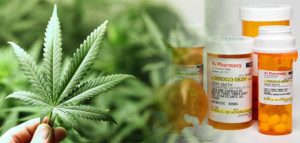
The Role of Cannabis
Arguably, Cannabis can achieve the following in persons affected with diabetes;
- It has anti-spasmodic agents, which help relieve muscle cramps and the pain of gastrointestinal disorders
- It yields neuroprotective effects responsible for thwarting inflammation of nerves and reduce the pain of neuropathy. This is made possible by activating receptors in the body and brain
- Cannabis is famed to act as a vasodilator. This means it can help keep blood vessels open and improve circulation
- It is a natural anti-inflammatory, meaning it may help quell some of the arterial inflammation common in diabetes
- Cannabis contributes to lower blood pressure over time, which is vital for diabetics management of the condition.
- It helps calm the diabetic Restless Leg Syndrome so that the patient can find sleep. In this case, the patients are advised to use a vaporizer or smoked cannabis to aid in falling asleep
- Marijuana may also be used to make topical creams. This helps relieve neuropathic pain especially the tingling in hands and feet
- Cannabis is also known to stabilize blood sugars. This claim has been confirmed using a large body of anecdotal evidence building among diabetes patients in America.
- By substituting cannabis butter and oil in foods, the person with diabetes can find benefits in cardiac and overall arterial health and wellness.
Guide on How to Get a Medical Marijuana Card in Florida

1. The first step to getting your MMJ ID card is to obtain your medical records and get a signed physician’s statement from a doctor who is registered in the state of Florida with the Medical Marijuana Use Registry. That doctor has to have a license as one of the certified medical marijuana in Florida.
Please note, to get a medical marijuana in Florida you MUST be a resident of the state. You will need to provide proof of residency, for example, a Florida I.D, passport or another photo I.D. If you are from another state it is possible to get a Florida medical card, but it is decided on a case by case basis, by Florida’s Department of Health.
2. Once you have met with a qualified physician and are deemed eligible to use medical marijuana, the physician then enters your name and information into the Marijuana Use Registry, which is run by the U.S. Department of Health. You will not be able to apply for your MMJ card until you are officially in the Registry.
- Applications can be submitted by your doctor, or you can submit them on your own behalf.
- You must be registered with the Compassionate Use Registry by their ordering physician.
3. Once you are in the registry, you can then submit a completed application to the Office of Medical Marijuana Use, or you can have your physician or a legal representative submit it on your behalf.
Interested in the benefits of medical marijuana? Please contact All Natural Medical Solutions Marijuana Doctors today at 8002506737 for a free consultation.
Get To Know The Alternative Cancer Treatments Available
Judging by the over a million Internet search results, it’s no doubt that cannabis oil has become a popular topic as of late especially as a potentially miraculous treatment for any number of devastating conditions like cancer. But what exactly is cannabis oil and are the claims about it too good to be true you ask?
Cannabis/Marijuana oil is merely the concentrated, distilled form of the plant most commonly known as marijuana, with all the plant material stripped away via a solvent. Though it’s also used with other oils to whip up an assortment of edible pot-infused treats, cannabis oil has achieved the most notoriety for its possible medicinal uses.
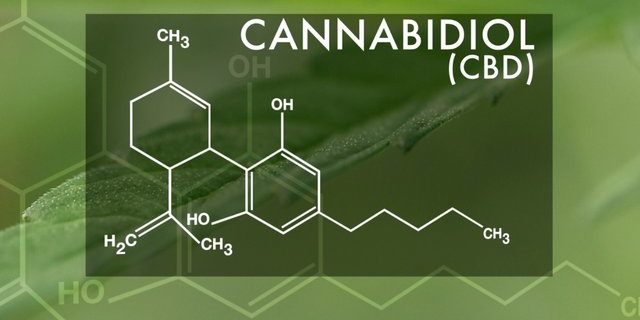
Like marijuana, cannabis oil contains two primary ingredients: the high-inducing THC (tetrahydrocannabinol) and cannabidiol (CBD), the second most active ingredient in marijuana. Typically, oil brands marketed for medicinal uses contain much less THC than your average joint but both ingredients have been touted for their curative powers.
When it comes to cannabidiol and its related cousin chemicals, all broadly called cannabinoids, there’s some support showing they can reduce chemotherapy-related pain and other symptoms like vomiting and nausea in patients. Elsewhere, other research has shown cannabinoids can uniquely target and kill cancer cells and there have even been anecdotes of supposedly miraculous recoveries from cancer as a result of using cannabis oil.
THC, on the other hand, has been theorized to delay the symptoms of Alzheimer’s disease as well as help veterans who are suffering from post-traumatic stress disorder to help relieve their anxiety.
Many of these promising studies, however, are generally in the earliest stages of research. Maybe cannabinoids can eliminate cancer cells or cut off their blood supply in the real world, or maybe, like many a purported cancer cure, they can only work in the lab.
What we do know is that desperate people have been taken for a ride when it comes to cannabis oil. Cancer Research noted in 2015 that online sites are tricking cancer patients and their families into handing over money for ‘cannabis oil’, yet receiving hemp infused oil and not CBD from a real cannabis flower.
Their verdict on the oil itself? “There is no doubt that cannabinoids — both natural and synthetic — are interesting biological molecules. Hundreds of scientists around the world are investigating their potential in cancer and other diseases — as well as the harms they can cause… But claims that this body of preclinical research is solid ‘proof’ that cannabis or cannabinoids can cure cancer is highly misleading to patients and their families, and builds a false picture of the state of progress in this area.”
None of this is to say that cannabis oil is worthless as a treatment. Currently, medical research hasn’t fully explored the drug’s true potential yet. In the meantime, we should be wary of those claiming to say otherwise. Find medical marijuana doctors in naples florida near you.
Lung cancer is the number one cancer killer in the world. Lung tumors that over-produce the EGF receptor tend to be extra-aggressive and don’t respond well to chemotherapy.
THC is the main active ingredient of Cannabis sativa –marijuana. It has been shown to inhibit tumor growth in cancer, but specific information on its action against lung cancer has so far been limited.
In the new study, the researchers first showed that two different lung cancer lines, as well as samples from patient lung tumors, produced the cannabinoid receptors CB1 and CB2.
Endocannabinoids — cannabinoids produced naturally in the body — are thought to have an effect on pain, anxiety and inflammation when they bind to cannabinoid receptors.
Next, the researchers injected standard doses of THC into mice implanted with human lung cancer cells. After three weeks of treatment, tumors shrank by about 50 percent in animals treated with THC, compared to those in an untreated control group, the researchers reported. Contact us on google by clicking here as we are All Natural Medical Marijuana Doctors in Naples Collier County.
Call: (800) 250-6737. We are by appointment only, 1415 Panther Ln #496, Naples, FL 34109. Hours: M-S 10am-6pm.
“If you have one of the following conditions you may qualify for medical marijuana in Florida. Anxiety, Anorexia, Arthritis, Back/Neck Pain, Cachexia (wasting away), Cancer, Chron’s, Cyclical Vomiting Syndrome, Epilepsy, Glaucoma, Hepatitis C, HIV/AIDS, Lyme Disease, Migraine, Muscle Spasm, Muscular Dystrophy, Multiple Sclerosis, Parkinsons Disease, PTSD, Severe and Chronic Pain, Severe Nausea, Sickle Cell Anemia, Spasticity, Any terminal condition and alot more.” Get started today with All Natural Medical Marijuana Doctors.