

 What Are The Benefits of Medical Marijuana
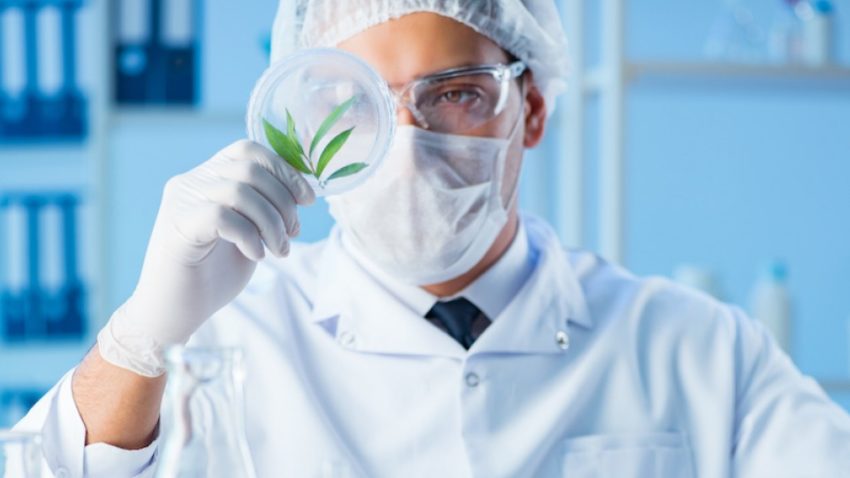
Just as synthetic drugs can help some conditions and not others, marijuana isn’t a one-size-fits-all line of treatment. It’s thought that marijuana’s benefits come from some of its compounds called cannabinoids, such as cannabidiol (CBD). CBD is one of the most widely studied cannabinoids in marijuana. CBD is also found in another related plant called hemp. One major difference between CBD and marijuana is that the former only contains a trace amount of the cannabinoid tetrahydrocannabinol (THC) says a group of certified All Natural MD marijuana doctors. This compound is best known for its hallucinogenic effects on the brain. CBC, another cannabinoid, may be used to reducing pain and inflammation says a group of Tampa marijuana doctors. It may also help in controlling epileptic seizures and treating mental illness and addictions, according to the National Institute on Drug Abuse.
Side Effects From Medical Marijuana
Marijuana does have side effects. THC binds to cannabinoid receptors, which are concentrated in areas of the brain associated with thinking, memory, pleasure, coordination and time perception. The effects of marijuana can interfere with attention, judgment and balance. Studies have produced conflicting results on whether smoking marijuana carries a significant cancer risk says a group of Orlando marijuana doctors. Medical marijuana “prescriptions” are termed “recommendations” or “referrals” because of federal laws prohibiting the prescribing of cannabis A 2016 study on 108 people by the University of Michigan Health System found that marijuana use may also make other addictions worse.
In a placebo-controlled, 2007 study they found that marijuana is effective at reducing neuropathic pain, or pain caused by damaged nerves, in HIV patients says a group of Lakeland marijuana doctors. Opiates, such as morphine, aren’t effective at treating that sort of pain. Researchers at the American Academy of Neurology have also found that medical marijuana in the form of pills or oral sprays seemed to reduce stiffness and muscle spasms in multiple sclerosis (MS). The medications also eased certain symptoms of MS, such as pain related to spasms, and painful burning and numbness, as well as overactive bladder, according to a number of studies.
What Are The Benefits of Medical Marijuana
Just as synthetic drugs can help some conditions and not others, marijuana isn’t a one-size-fits-all line of treatment. It’s thought that marijuana’s benefits come from some of its compounds called cannabinoids, such as cannabidiol (CBD). CBD is one of the most widely studied cannabinoids in marijuana. CBD is also found in another related plant called hemp. One major difference between CBD and marijuana is that the former only contains a trace amount of the cannabinoid tetrahydrocannabinol (THC) says a group of certified All Natural MD marijuana doctors. This compound is best known for its hallucinogenic effects on the brain. CBC, another cannabinoid, may be used to reducing pain and inflammation says a group of Tampa marijuana doctors. It may also help in controlling epileptic seizures and treating mental illness and addictions, according to the National Institute on Drug Abuse.
Side Effects From Medical Marijuana
Marijuana does have side effects. THC binds to cannabinoid receptors, which are concentrated in areas of the brain associated with thinking, memory, pleasure, coordination and time perception. The effects of marijuana can interfere with attention, judgment and balance. Studies have produced conflicting results on whether smoking marijuana carries a significant cancer risk says a group of Orlando marijuana doctors. Medical marijuana “prescriptions” are termed “recommendations” or “referrals” because of federal laws prohibiting the prescribing of cannabis A 2016 study on 108 people by the University of Michigan Health System found that marijuana use may also make other addictions worse.
In a placebo-controlled, 2007 study they found that marijuana is effective at reducing neuropathic pain, or pain caused by damaged nerves, in HIV patients says a group of Lakeland marijuana doctors. Opiates, such as morphine, aren’t effective at treating that sort of pain. Researchers at the American Academy of Neurology have also found that medical marijuana in the form of pills or oral sprays seemed to reduce stiffness and muscle spasms in multiple sclerosis (MS). The medications also eased certain symptoms of MS, such as pain related to spasms, and painful burning and numbness, as well as overactive bladder, according to a number of studies.
 What Are The Risks of Using Medical Marijuana
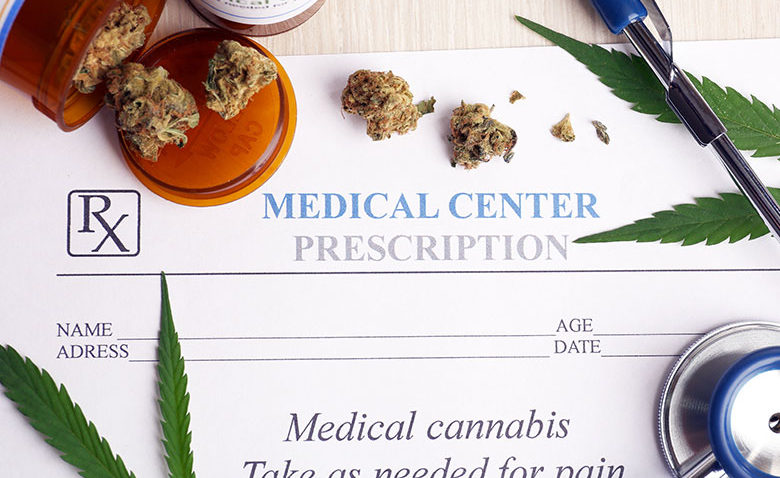
The indications for cannabinoids for which the data are clearest include treatment for neuropathic pain, loss of appetite, and muscle spasms, especially in the setting of multiple sclerosis. That doesn’t mean cannabinoids don’t work for other symptoms, but these are the indications that have the greatest evidence for effectiveness so far says a group of Sarasota marijuana doctors. In terms of the risks, there are many proposed or claimed risks in the use of marijuana, some of which have been discussed and proven to be true or debunked or are still being investigated.
Some of the risks we know to be true include impaired driving ability and drowsiness, which is on the same level as alcohol and other recreational drugs. Other risks include addiction, psychotic episodes, and cannabinoid hyperemesis syndrome, which consist of nausea and vomiting that resolves when marijuana use is discontinued. Some people have problems with increased heart rate, decreased blood pressure, dizziness or lightheadedness, and fainting.
Contact All Natural MD marijuana doctors to schedule your next appointment or to learn more about our many locations in Florida. (800) 250-6737.
What Are The Risks of Using Medical Marijuana
The indications for cannabinoids for which the data are clearest include treatment for neuropathic pain, loss of appetite, and muscle spasms, especially in the setting of multiple sclerosis. That doesn’t mean cannabinoids don’t work for other symptoms, but these are the indications that have the greatest evidence for effectiveness so far says a group of Sarasota marijuana doctors. In terms of the risks, there are many proposed or claimed risks in the use of marijuana, some of which have been discussed and proven to be true or debunked or are still being investigated.
Some of the risks we know to be true include impaired driving ability and drowsiness, which is on the same level as alcohol and other recreational drugs. Other risks include addiction, psychotic episodes, and cannabinoid hyperemesis syndrome, which consist of nausea and vomiting that resolves when marijuana use is discontinued. Some people have problems with increased heart rate, decreased blood pressure, dizziness or lightheadedness, and fainting.
Contact All Natural MD marijuana doctors to schedule your next appointment or to learn more about our many locations in Florida. (800) 250-6737.
Whether you talk about it or it’s hidden within stigma and shame, there’s a chance that if you live in a state that has legal medical marijuana, your parents or grandparents may be using it as part of their health and lifestyle.
All Natural MD has Florida marijuana doctors on hand and has built its foundation on being a support for all demographics who are curious about cannabis, including those who have misconstrued information or opinions about cannabis use and how it’s affecting the over 55 population in America. We are here to be a bridge between those who aren’t sure about cannabis but remain open to hearing about its benefits for people throughout their life cycle, and cannabis therapies in your state.
We stand behind cannabis because of the way it is changing pain management in our country, which had taken a wrong turn with so many becoming dependent on opioids, creating an epidemic worse than pain itself. Over 55% of prescription opioids that were prescribed in 2013 were given to seniors, making seniors one of the most vulnerable populations when it comes to the risk of dependency. An increased rate of hospital visits by seniors that were drug-related accompanied the prescription choices that were intended to help.
Marijuana doctors are helping seniors turn to cannabis as an alternative pain relief. This is now finding hope for most and a way out of the physical and emotional misery of pain through CBD and legal cannabis with the help of organizations like All Natural MD.
Arthritis is a common pain and inflammation-related disease that usually has a later onset in life. The prevalence of arthritis, with an estimated 54.4 million receiving a recent diagnosis, and the pain and inflammation associated with it, has led to the clinical study of the anti-inflammatory properties of CBD as having great potential for the future of arthritis treatment. CBD is useful when introduced to inflamed areas helps reduce the inflammation at the pain site while protecting the body from the emotional and physical burden of pain through pain relief.
Unfortunately, the USA is very behind in producing clinical research supporting the efficacy of cannabis on human health and the brain, despite clinicians making progress that shows significant hope CBD and its possibilities for the treatment and prevention of dementia and Alzheimer’s. While their findings are promising, they are experiencing roadblocks due to the federally illegal status of cannabis. While the Alzheimer’s-related organizations remain critically careful, they share an overall message of openness and optimism towards the emergent research on CBD and the debilitating disease.
While these diseases are far from cures due to their complexity, cannabis has stepped up to be a viable option for treatment for the symptoms of these conditions. There have been significant efforts around medical cannabis for its anti-seizure properties, giving people their lives back. For Parkinson’s Disease, there is promise surrounding cannabis’ ability to eliminate the neurotoxins of the brain that make mobility and speech difficult. With late-onset Multiple Sclerosis (MS), cannabis is being looked at for its abilities to increase signals between body and brain, helping MS sufferers find relief from blurred vision, muscle stiffness, and mobility issues.
For some, the golden years can become tarnished with difficult, but inevitable life transitions that are often a strain on the mental health of seniors. From illnesses and health concerns, to loss of spouses, to transitions in work, and for many, transitions in living situations, the senior years can be traumatic. Anxiety and depression among seniors is something that all too often gets overlooked. Thousands of Americans are turning to medical cannabis, and are paying attention to the investigations into the effect of CBD on anxiety and depression, recognizing that cannabis can alter the way the brain receives serotonin and change the way the body and mind respond to threats and fears.
If you or your loved one is elderly and thinking about medical marijuana, please contact All Natural MD Florida marijuana doctors for more information, a free consultation and to make sure you meet the qualifying conditions as set forth by the State of Florida. We have locations all over the state to assist you. Call (800) 250-6737 or schedule your appointment directly online. Get Started.
The overwhelming and increasing severity of the opioid addiction epidemic provides more justification than ever to pursue the largely overlooked potential of cannabis in the treatment of addiction, and the spread of medical marijuana laws around the country may help give those efforts a needed boost, experts say.
In a review article published in Trends in Neurosciences notes that although evidence involving humans is sorely lacking due to the continuing status of marijuana as a Schedule I drug, studies in preclinical animal models, particularly involving the Phyto cannabinoid cannabidiol, show promising improvements in opioid withdrawal symptoms and heroin-seeking behavior that need to be pursued in larger studies. Research includes a study published in Addiction Biology in 2013 showing that cannabidiol inhibited the reward-facilitating effect of morphine, but not cocaine, in rats.
If you or someone you know is interested in the benefits of medical marijuana and are interested in seeing one of our approved doctors to issue you a medical marijuana card license in Florida, please contact our office. Many conditions qualify including Anxiety, Depression, Chronic pain and more. Contact the experts at All Natural MD today to get started or you can schedule your appointment online.
Our research suggests that cannabidiol interferes with brain reward mechanisms responsible for the expression of the acute reinforcing properties of opioids thus indicating that cannabidiol may be clinically useful in combatting the effects of opioids.
Another study, published in the Journal of Neuroscience and conducted, showed an important effect of cannabidiol in normalizing heroin-induced impairment in the endocannabinoid system and glutamate receptors in the striatum, suggesting a possible effect of normalizing synaptic plasticity in the region. Among the scant research in humans is a pilot study, showing similar results in reducing heroin-related cue-induced craving in heroin abusers.
The strongest effects in that study were seen in reducing anxiety related to heroin cues. Similar to effects seen in animals, the reduction in general craving lasted for up to 1 week after the last administration of cannabidiol. Most evidence suggests that the mechanisms behind cannabidiol’s effects relate to its modulation of the 5-HT1A (5-hydroxytryptamine 1A subtype) receptor, consistent with many antianxiety drugs, which have partial agonist properties at the 5HT1A receptors.
For the study involving humans, the researchers used a cannabidiol solution and an oral formulation of cannabidiol (Epidiolex, GW Pharmaceuticals, Plc), which has been shown to have a strong safety profile and is used in the treatment of children with epilepsy. The formulation allows for cannabinoid treatment without the inclusion of tetrahydrocannabinol (THC), the psychoactive ingredient responsible for the “high” that results from cannabis use and is linked to an increased risk for opioid use. You can also consider cannabidiol has a low risk for diversion to the black market and retains a safe profile when combined with a strong opioid against.
One report suggests there is a trend toward reductions in prescriptions for opioid painkillers, as well as a reduction in opioid overdoses and lower opioid-positive screens associated with car fatalities, in states where medical marijuana laws have been passed. Although emphasizing that any benefits would apply solely to people who are already addicted to opioids, cannabis could feasibly represent a safer feeling of relief.
As more epidemiologic research becomes available on trends in states where marijuana laws have been passed, a clearer picture of those effects should emerge. But the stronger evidence that can come from more rigorous studies and clinical trials regarding cannabis or individual Phyto cannabinoids remains elusive as long as federal restrictions are in place, and, paradoxically, only strong evidence can change those policies.
We are in a ridiculous situation right now, there has to be some way that research can be done that fits within a federal guideline to allow us to see which components of the marijuana plant could be beneficial and which ones aren’t. Without that, we will still have these circular debates when we should be having evidence-based decisions and medicine. We could actually move very quickly if there was a federal mandate to put together a consortium that can quickly investigate this for opioid use disorder. We could really answer all the questions that are there. It doesn’t have to be 10 or 20 years from now.
Researchers are currently evaluating the use of cannabidiol in the treatment of addiction in a clinical trial involving adult and minor patients with cocaine addiction. The primary outcome of the study is drug-induced craving and number of days to relapse. Secondary outcomes are stress-induced craving and assessment of cocaine use during the post detoxification phase.
If you or someone you know is interested in the benefits of medical marijuana and are interested in seeing one of our approved doctors to issue you a medical marijuana card license in Florida, please contact our office. Many conditions qualify including Anxiety, Depression, Chronic pain and more. Contact the experts at All Natural MD today to get started or you can schedule your appointment online. (800) 250-6737.