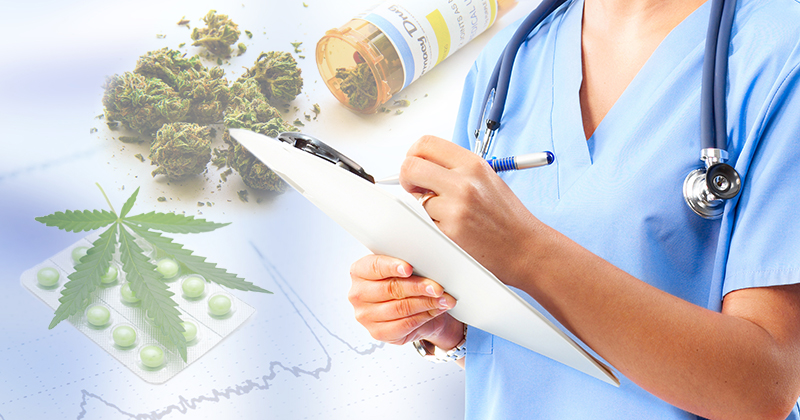
 Marijuana Doctors all over the country treat various patients with medical marijuana who have benefited from faster recovery, less dependence on standard medication, fewer doctor visits, and improvement in mood and general wellbeing. Marijuana or Cannabis contains over 100 chemicals called cannabinoids. The two main chemicals used in medicine are Delta-9-tetrahydrocannabinol (THC) and cannabidiol (CBD), which most people are familiar.
Countless Americans have come forward to share their success stories with medical marijuana. Several of them have been and can be treated by a marijuana doctor in Lakeland FL. Many cancer survivors and people diagnosed with Multiple Sclerosis have accredited their recovery to medical marijuana use.
All Natural MD Lakeland
1102 Florida Ave S Suite 102, Lakeland, FL 33803
(800) 250-6737
GET DIRECTIONS
Research has also proven repeatedly that marijuana is a highly effective in the treatment of nausea, vomiting and pain associated with Cancer treatment for many patients. Nausea and vomiting is known to be debilitating to the body as it may cause loss of appetite and severe dehydration, which lead to other complications. Chemicals such as CBD provide relief from nausea, vomiting and other side effects that conventional medicine is ineffective at treating says a marijuana in Sarasota FL. Despite the restrictions placed on marijuana at the federal level, medical marijuana remains the most effective medication for several conditions as it provides affordable, safe and fast relief, without side effects. Get Started.
All Natural MD Sarasota
3230 Southgate Cir Suite 117
Sarasota, FL 34239
(800) 250-6737
GET DIRECTIONS
All Natural MD website www.floridasmedicalmarijuana.com is committed to assisting you with the process of obtaining your medical marijuana card. We are your most trusted medical marijuana provider in your area. We are the leader in providing patients with quality, convenient, reliable, and trustworthy medical marijuana doctor evaluations in Florida. We know your health is your priority and we strive to offer excellence and quality care at every step of the process. For more information, feel free to contact one of our locations closet to you and we would be happy to assist you.
Marijuana Doctors all over the country treat various patients with medical marijuana who have benefited from faster recovery, less dependence on standard medication, fewer doctor visits, and improvement in mood and general wellbeing. Marijuana or Cannabis contains over 100 chemicals called cannabinoids. The two main chemicals used in medicine are Delta-9-tetrahydrocannabinol (THC) and cannabidiol (CBD), which most people are familiar.
Countless Americans have come forward to share their success stories with medical marijuana. Several of them have been and can be treated by a marijuana doctor in Lakeland FL. Many cancer survivors and people diagnosed with Multiple Sclerosis have accredited their recovery to medical marijuana use.
All Natural MD Lakeland
1102 Florida Ave S Suite 102, Lakeland, FL 33803
(800) 250-6737
GET DIRECTIONS
Research has also proven repeatedly that marijuana is a highly effective in the treatment of nausea, vomiting and pain associated with Cancer treatment for many patients. Nausea and vomiting is known to be debilitating to the body as it may cause loss of appetite and severe dehydration, which lead to other complications. Chemicals such as CBD provide relief from nausea, vomiting and other side effects that conventional medicine is ineffective at treating says a marijuana in Sarasota FL. Despite the restrictions placed on marijuana at the federal level, medical marijuana remains the most effective medication for several conditions as it provides affordable, safe and fast relief, without side effects. Get Started.
All Natural MD Sarasota
3230 Southgate Cir Suite 117
Sarasota, FL 34239
(800) 250-6737
GET DIRECTIONS
All Natural MD website www.floridasmedicalmarijuana.com is committed to assisting you with the process of obtaining your medical marijuana card. We are your most trusted medical marijuana provider in your area. We are the leader in providing patients with quality, convenient, reliable, and trustworthy medical marijuana doctor evaluations in Florida. We know your health is your priority and we strive to offer excellence and quality care at every step of the process. For more information, feel free to contact one of our locations closet to you and we would be happy to assist you.
Medical Marijuana for Inflammation
When the white blood cells in your body detect a foreign substance like a virus, your immune system starts working to protect your body from further complications. However, sometimes your immune system triggers an inflammatory response even though no foreign threats are present in the body. The result is that your own cells attack your body, often causing the inflammation you notice Medical marijuana for inflammation is effective at reducing inflammation due to its two primary cannabinoids, CBD (cannabidiol) and THC (tetrahydrocannabinol).

If you or someone you knw is suffering from Chronic Inflammation and could use the benefits of medical marijuana, please contact All Natural MD to find a medical marijuana doctor location near you or schedule your appointment online today. We have locations in Lakeland Florida and surrounding areas to better assist you and your loved ones in getting and renewing your medical marijuana card. We are located at: 1102 Florida Ave S. Suite 102, Lakeland, FL 33803. Get Directions Here.
How Is Marijuana an Effective Treatment for Inflammation?
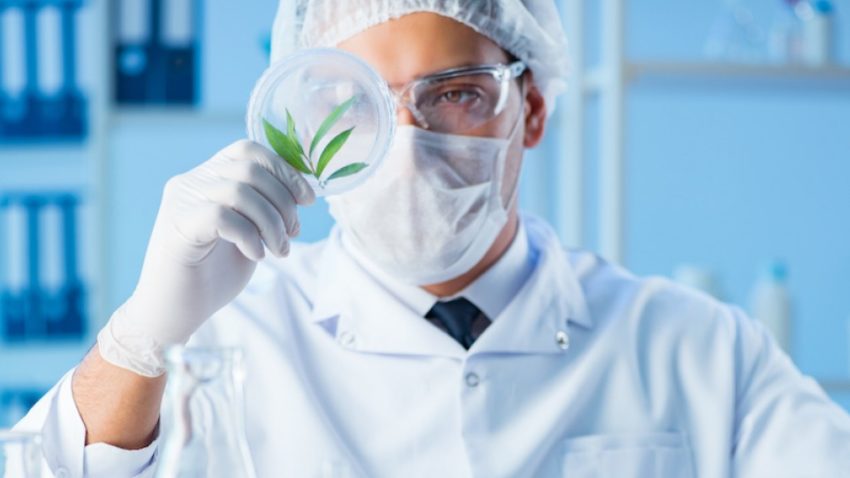
Both CBD and THC help reduce inflammation associated with several diseases. However, beta-caryophyllene, another compound found in marijuana, affects your CB2 receptor. During a study in 2008, researchers analyzed mice with swollen paws. The researchers gave the mice oral beta-caryophyllene doses that resulted in a 70 percent reduction in inflammation. Mice that didn’t have CB2 receptors didn’t show any improvement.
More Related Articles Here
Both CBD and THC not only work to treat and prevent inflammation, but they also demonstrate efficacy in reducing both the production and release of pro-inflammatory cytokines. They also cut LPS-induced STAT 1 transcription factor activation which contributes to certain inflammatory processes. Since researchers find that CBD is most effective in tackling inflammation, CBD-rich marijuana strains can be helpful for individuals with extreme inflammation.
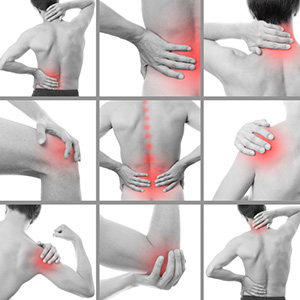
Marijuana for inflammation is a broad area of research since it encompasses so many conditions. In the past decade or so, much of the research on how cannabis can treat inflammation has been conducted on animals, and there is a clear need for more human studies and clinical trials. However, the research that is available has been encouraging and shines a spotlight on how CBD, in particular, may fight inflammation. Can CBD oil relieve arthritis pain? A 2018 article researchers answered this question, referencing animal studies that have demonstrated CBD’s pain relieving and anti-inflammatory effects. Receptors in the brain and immune system are affected by CBD, thus leading to a possible reduction in pain and inflammation.
If you or someone you knw is suffering from Chronic Inflammation and could use the benefits of medical marijuana, please contact All Natural MD to find a medical marijuana doctor location near you or schedule your appointment online today. We have locations in Lakeland Florida and surrounding areas to better assist you and your loved ones in getting and renewing your medical marijuana card. We are located at: 1102 Florida Ave S. Suite 102, Lakeland, FL 33803. Get Directions Here.
The Compassionate Use For Florida Medical Marijuana for Qualifying Medical Conditions ballot, or Amendment 2, was passed by Florida voters on November 8, 2016. Allowing the growing and selling of medical marijuana to qualified patients in Florida, the ballot was imposed to provide safe access and availability to medical pot for those who suffer from a qualified debilitating condition as listed by the State of Florida. Want to know more about getting a Florida medical marijuanas doctor card, contact All Natural MD today (800) 250-637. We have locations for medical marijuana to best assist you in Orlando, Lakeland, Sarasota, Tampa, Bradenton and more.
How to qualify for a Florida State issued medical marijuana card?
Before you can buy cannabis from a dispensary, you must first visit a licensed physician who is certified to prescribe medical marijuana after having completed the mandatory education requirements laid out by the State of Florida. The licensed marijuana doctor will then determine if you fall within the eligibility criteria to purchase medical marijuana. Once deemed eligible for a card by a doctor that is certified for medical marijuana, you have to apply for a Florida registry identification card through the Florida medical marijuana program.
What documents are required for the appointment?
Necessary Documentation for Medical Marijuana:
- Valid ID from the state of Florida. Driver’s license, passport or state-produced ID card – patients must be a resident or seasonal resident of Florida
- Proof of address – bank statement, utility bill, correspondence with a state department
- Medical records – medication list, physician’s diagnosis, treatment plan, progress notes, radiology/MRI/X-ray image, lab test results. Medical records are no longer mandatory, but can help your application
How much does a Florida medical marijuana card cost?
The cost is $75 for the application fee for the Florida medical marijuana card. There is a $2.75 processing fee. The physician’s fee is $299, and this is in addition to the state fee for your medical card.
How often do you have to renew your marijuana certification with the doctor?
Your medical marijuana certification is only good for 210 days. Therefore you will need to renew your orders every 210 days/7 months. You will want to contact and or visit your medical marijuana doctor for a reevaluation so that your recommendation orders with the state registry remain current.
Want to know more about getting a Florida medical marijuanas doctor card, contact All Natural MD today (800) 250-637. We have locations for medical marijuana to best assist you in Orlando, Lakeland, Sarasota, Tampa, Bradenton and more.